







2025 Annual Report
Connections That Move Us

Connections are at the heart of everything we do at Victoria International Airport (YYJ).
Each arrival and departure represents more than movement between places—it supports families, enables business, welcomes visitors to Vancouver Island, and keeps communities connected locally and globally.
Behind those journeys are the people who make them possible. From operations teams and emergency responders to engineers, electricians, mechanics, and passenger service professionals, hundreds of individuals work together every day to keep YYJ running safely and reliably. The 2025 Annual Report highlights these efforts and the role YYJ plays in supporting economic activity, community connection, and the movement of people and goods across the region and beyond.
The land beneath our runways, and the waters that frame our horizon, lie within the traditional territory of the W̱SÁNEĆ people. This reminds us that connection is sacred: to the land, to community, and to the generations that follow.
The Victoria Airport Authority (VAA) operates from the homeland of the W̱SÁNEĆ people, whose deep and enduring relationship with this land continues today. As an airport whose purpose is to connect people and places, we recognize the importance of building respectful and lasting relationships with the BOḰEĆEN (Pauquachin First Nation), W̱JOȽEȽP (Tsartlip First Nation), SȾÁUTW̱ (Tsawout First Nation), and W̱SÍ,ḴEM (Tseycum First Nation).
We are committed to walking alongside the W̱SÁNEĆ Nations and seeking meaningful opportunities for partnership in the airport’s operations and future development.
Message from the President & CEO and Board Chair

ELIZABETH BROWN
President & CEO

DAVE COWEN
Chair, Board of Directors
Airports exist to create connection—linking people to places, families to one another, businesses to opportunity, and communities to the wider world. At Victoria International Airport, that purpose was especially clear in 2025.
This was a significant year for YYJ. We welcomed approximately 1.99 million passengers—our busiest year since 2018—reflecting strong demand for travel, the confidence of our airline partners, and the important role YYJ continues to play in the life of Vancouver Island and British Columbia’s capital region.
But numbers tell only part of the story.
What defined 2025 just as clearly was how our team and airport community responded to growth. Across the airport campus, people worked together every day to keep YYJ safe, efficient, welcoming, and resilient. From front-line staff and emergency responders to maintenance teams, partners, tenants, and volunteers, this was a year that demonstrated the strength of our airport community.
We were pleased to have our executive leadership team fully in place in 2025, providing clear direction and stability as the organization continues to evolve. We also strengthened the next generation of leadership through internal advancement and the addition of new team members, bringing fresh perspectives while building for the future.
Victoria Airport Authority (VAA) was once again recognized as one of BC’s Top Employers. Throughout the year, we saw exceptional moments of professionalism, care, and team work across the organization—a commitment that extends beyond VAA to the broader airport community serving travellers every day.
In 2025, we progressed key infrastructure planning to prepare for future demand, including the Upper Holdroom Expansion and the next phase of the Terminal Expansion Program. We also delivered a range of sustaining capital projects across the airport, maintaining and renewing critical infrastructure.
Connection also means understanding the place where we operate.
Victoria International Airport islocated on the traditional territory of the W̱SÁNEĆ Nations, and in 2025 we advanced some of the most meaningful reconciliation work in our history. After years of dialogue and relationship-building, final discussions were reached on the W̱SÁNEĆ Nations–VAA Friendship Agreement, with formal signing planned for early 2026. We also continued work to reflect W̱SÁNEĆ presence and culture within the airport environment, including the restoration of the Welcome Poles that greet visitors arriving at YYJ. These steps reflect a commitment to building relationships grounded in respect, understanding, and shared purpose.
Our role is to operate safely and reliably today, while preparing responsibly for tomorrow. In 2025, we continued to strengthen the airport’s financial foundation, with a focus on responsible revenue growth and long-term sustainability. This work supports an airport that serves the region, contributes to economic and community prosperity, and reflects the values of the people and place it represents.
To our employees, airline and business partners, volunteers, Board, neighbouring communities, and the many organizations and agencies that support YYJ: thank you. The success of this airport is shared, and so is the work of shaping what comes next.
As we look ahead, our focus remains clear: to grow responsibly, to strengthen the relationships that matter, and to ensure YYJ continues to serve this region for generations to come.
Elizabeth Brown
President & CEO
Dave Cowen
Chair, Board of Directors
2025 in Review
2025 Marked YYJ’S Busiest Year Since 2018
In 2025, we experienced a strong year for passenger traffic at Victoria International Airport, reflecting continued demand for air travel in our region. We welcomed approximately 1.99 million passengers, a 6.1% increase over 2024 and our busiest year since 2018, reinforcing YYJ’s position as Canada’s 11th busiest airport and the third busiest in British Columbia.
The summer travel season was particularly strong, with July through September 2025 marking the busiest quarter ever recorded at YYJ. August saw more than 227,000 passengers—the highest monthly total in our airport’s history—reflecting sustained demand for travel to and from Vancouver Island.
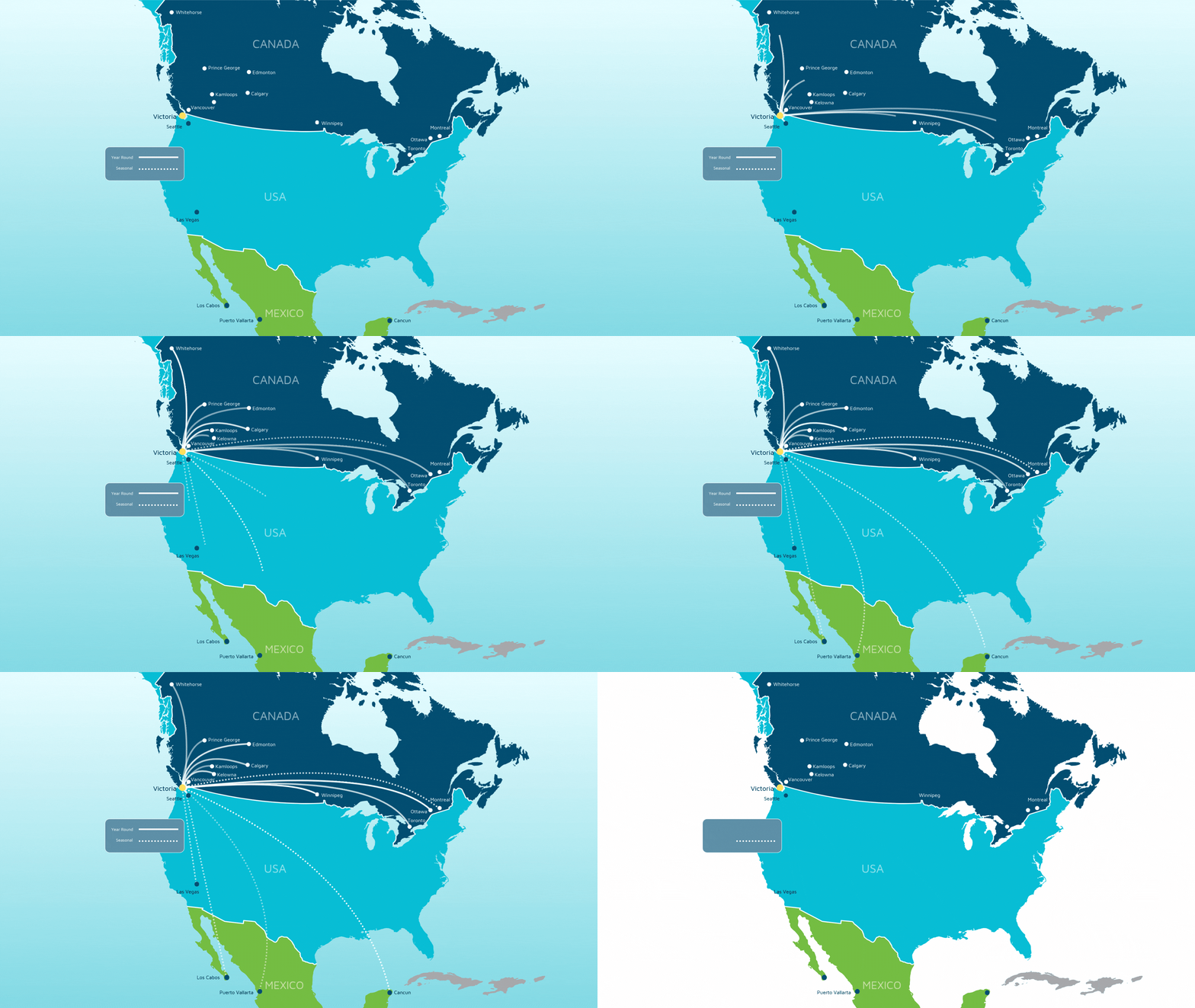
In 2025, Victoria International Airport was served by nine passenger airlines—Air Canada, WestJet, Pacific Coastal Airlines, Porter Airlines, Air North, Kenmore Air, Flair Airlines, Alaska Airlines, and Harbour Air—connecting the region to key domestic hubs as well as select U.S. and seasonal international destinations.
YYJ’s airline partners played an important role in supporting our growth in 2025. Porter Airlines launched new non-stop service to Ottawa, while Alaska Airlines added capacity on its popular Seattle route. WestJet strengthened connections through Calgary and Edmonton, Pacific Coastal continued to anchor regional connectivity across British Columbia, and Air Canada maintained non stop service to Montréal alongside its established links through Vancouver and Toronto. Seasonal service to popular winter sun destinations also returned in late October, giving travellers expanded options for warm-weather getaways.
Annual Passenger Traffic at YYJ
Strategic Vision
YYJ is managed and operated by the Victoria Airport Authority, a financially independent, non-share capital corporation. Revenue is generated through passengers, airline activity, and airport land and commercial services, including aeronautical and non-aeronautical sources. The Airport Improvement Fee (AIF) is also collected and, as a regulated fee, is dedicated to funding eligible capital infrastructure.
As a not-for-profit organization, VAA reinvests all revenue back into the airport to support operations, infrastructure, and future growth. In 2025, VAA finished the year debt-free.
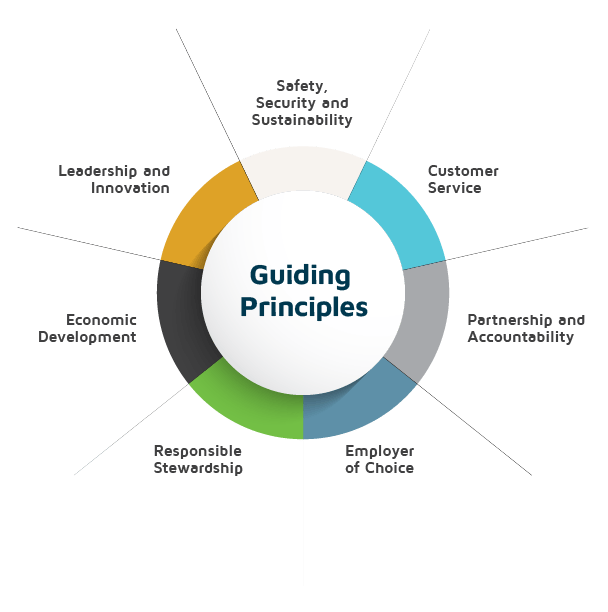
In 2025, our team refreshed the strategic priorities outlined in the 2023–2027 Strategic Plan to ensure they continue to provide a clear path forward, while maintaining the guiding principles that shape our work.
Vision
To be the best airport anywhere.
Mission
To provide a safe, secure, sustainable, and efficient airport that creates prosperity for our region by connecting Greater Victoria with the world.
Our Goals

An Aligned and Engaged Team
A strong organization starts with its people. With an emphasis on having the right people in the right roles at the right time, this goal supports both day to-day operations and the organization’s ability to grow with confidence.

A Financially Responsible Airport
VAA focuses on identifying new opportunities to grow revenue. Committed to cost efficiency and long-term sustainability, we’re carefully managing our airport’s ability to invest in infrastructure, operations, and the passenger experience.

A Future-focused Airport
Building for the future means making the right investments today. VAA prioritizes infrastructure development, modernized systems and processes to support a growing operation, and focuses its environmental sustainability efforts on areas of greatest impact.

An Airport Aligned and Engaged with the Community
VAA’s success depends on strong alignment with the communities we serve. By listening, engaging, and working in partnership with interest holders and neighbouring First Nations, the Authority ensures community perspectives inform planning and decision-making.
Our People
Airports run on people.
Behind every flight is a network of professionals working together to ensure passengers travel safely and efficiently. At the Victoria Airport Authority, that network includes operations teams, emergency responders, security professionals, technicians, maintenance crews, and many others who keep the airport operating every day.
In 2025, VAA continued investing in the people who make this work possible.
Employees are supported through benefits like maternity and parental leave top-ups, flexible time off for personal needs, opportunities for ongoing professional development, and strong retirement supports. For the sixth consecutive year, the Victoria Airport Authority was named one of BC’s Top 100 Employers. The recognition is external validation of something the team already knows: this is a great place to work, and the organization takes that seriously.

Twenty-one new team members joined the organization in 2025, bringing fresh perspective to an airport navigating growth and transition. VAA also participated in an Indigenous Recruitment Fair for the first time, an early, practical step toward building a workforce that reflects the community in which YYJ operates.
In 2025, VAA launched its first Living Our Values recognition program, a peer-nominated initiative designed to recognize employees whose actions reflect the organization’s values. The inaugural recipient, Lea-Ann Bailey, was recognized based on nominations from her colleagues. The VAA Capital Projects team also introduced a Team Member of the Quarter recognition program, helping to strengthen team morale. Together, these programs recognize the individuals who bring YYJ’s values to life every day.
The airport community also gathered for the second annual national Airport Workers Day, celebrating the many individuals across the airport campus who contribute to safe and reliable operations. In 2025, it came with particular pride: VAA’s Karen Funk received national recognition for Operational Excellence, a distinction that reflects not just her own contribution but the standard that the YYJ team has collectively set.
Executive Team

Victoria Airport Authority executive leadership team. Left to right: Lindsay Gaunt, Vice President, Revenue Strategy and Business Development; Randy Bogle, Vice President, Finance, Administration and Chief Financial Officer; Michelle McInnis, Vice President, Human Resources and Indigenous Affairs; Elizabeth Brown, President and Chief Executive Officer; Marc Turpin, Vice President, Planning and Infrastructure; René Sheïr, Vice President, Operations
I am incredibly proud of how our team demonstrated the true meaning of connection in 2025 — supporting one another, living our values, deepening our relationships with the W̱SÁNEĆ Nations, and continuing to build a workplace where people feel valued and inspired to contribute.”
Michelle McInnis,
Vice President, Human Resources & Indigenous Affairs
Living Our Values

People
We work as a team, supporting and respecting one another to bring out the best in each of us.

Excellence
We lead in safety, quality, and innovation to create exceptional experiences.

Integrity
We ensure that honesty, equity, and accountability are the cornerstones of everything we do.

Community
We foster meaningful relationships through service excellence and responsible stewardship.
The Airport Community
Victoria International Airport operates through the combined work of a broad network of partners who come together every day to support safe, efficient, and welcoming travel. This airport community—airlines, government agencies, law enforcement, tenants, service providers, and aviation partners—is what makes connection possible.
Airlines link Vancouver Island to destinations across Canada, the United States, and international markets, supporting tourism, business travel, and regional connectivity. Government partners play a critical role in keeping those connections safe and secure. The Canadian Air Transport Security Authority (CATSA) provides passenger and baggage screening, Canada Border Services Agency (CBSA) supports international arrivals when required, and NAV CANADA and local law enforcement ensures the safe and efficient movement of aircraft and people.
Across the terminal and airport campus, retailers, food and beverage operators, ground transportation providers, and maintenance teams shape the passenger experience and keep operations running smoothly day in and day out.
Together, these partners and the Victoria Airport Authority form the YYJ airport community—a connected network of over 2,900 people working to keep people and goods moving.
Leadership in Action, Celebrating Karen Funk
A Shared Commitment to Safety
Red Coat Volunteers

2025 ASQ Award
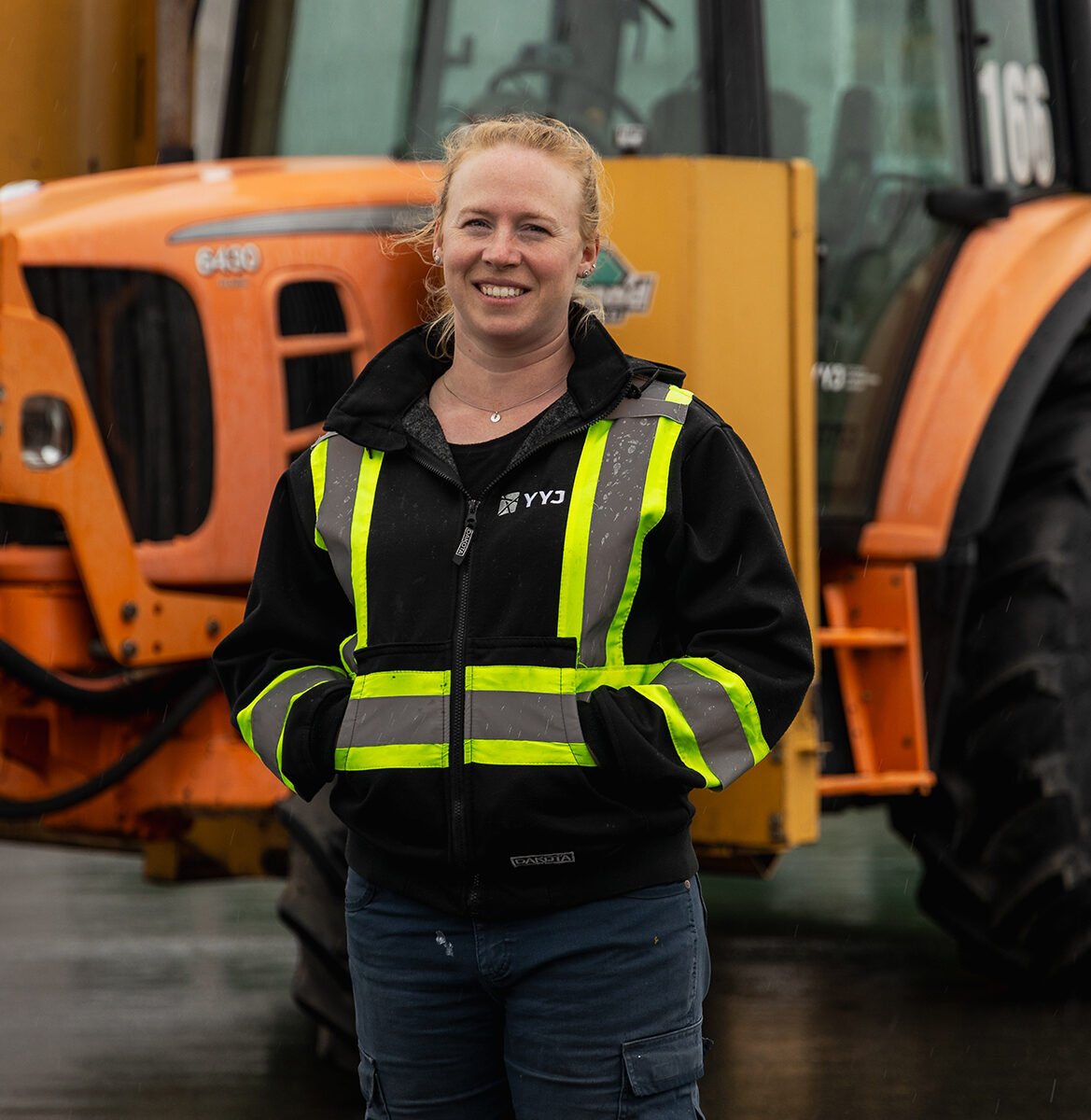
Leadership in Action, Celebrating Karen Funk
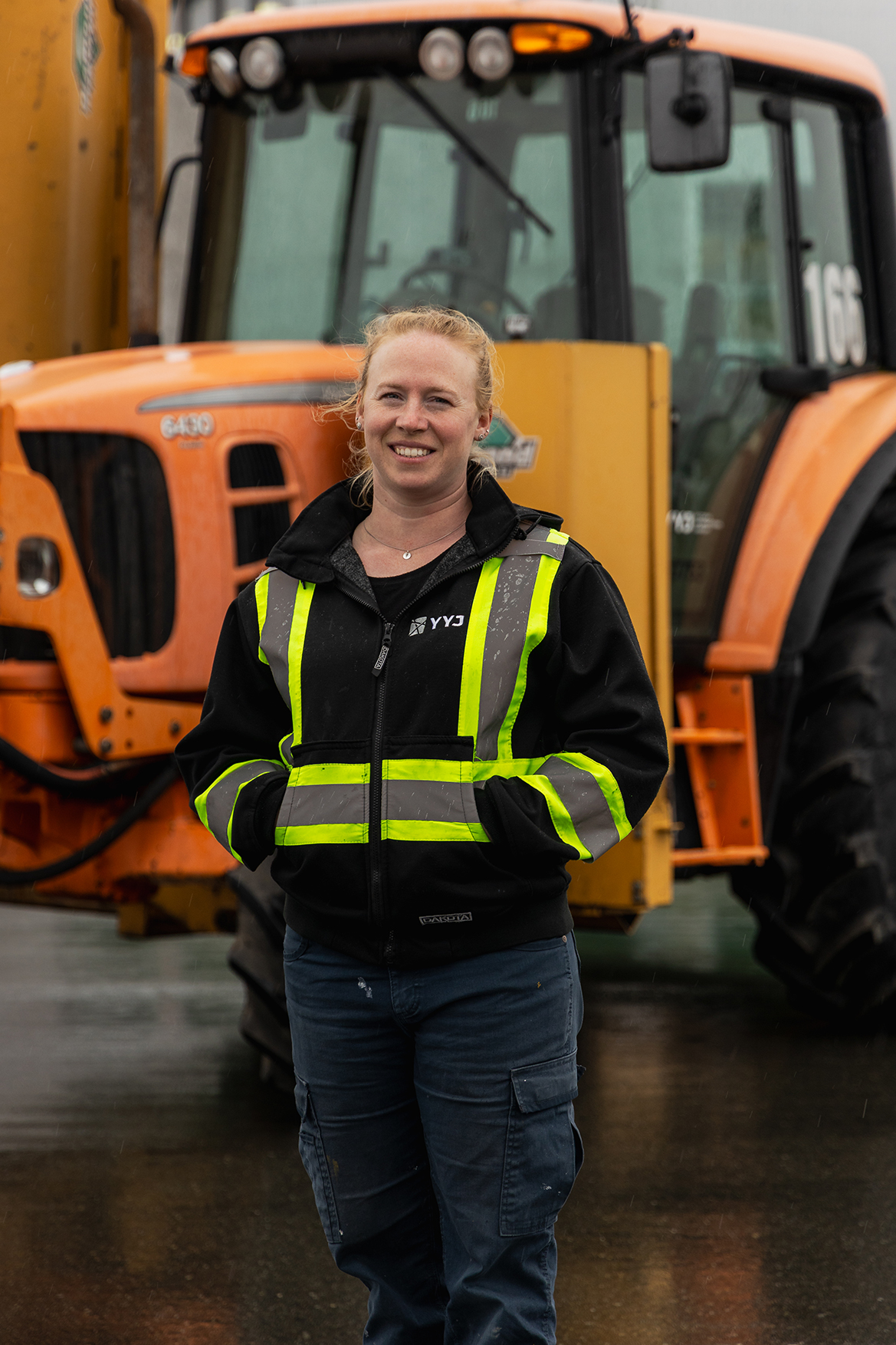
In 2025, Karen Funk, Airport Maintenance Specialist at YYJ, received the Canadian Airports Award for Operational Excellence—a national recognition celebrating individuals who demonstrate exceptional commitment to operational excellence within Canada’s airport sector.
Karen’s work supports the safe and reliable operation of the airport’s airside infrastructure. From maintaining critical systems to responding to operational issues on the airfield, her role contributes directly to the smooth and safe movement of aircraft and passengers.
Airport operations depend on strong teamwork across many partners, including maintenance crews, operations staff, airlines, and air traffic control.
Karen’s extraordinary professionalism and collaborative approach reflect the culture of safety and collaboration that defines YYJ.
A Shared Commitment to Safety
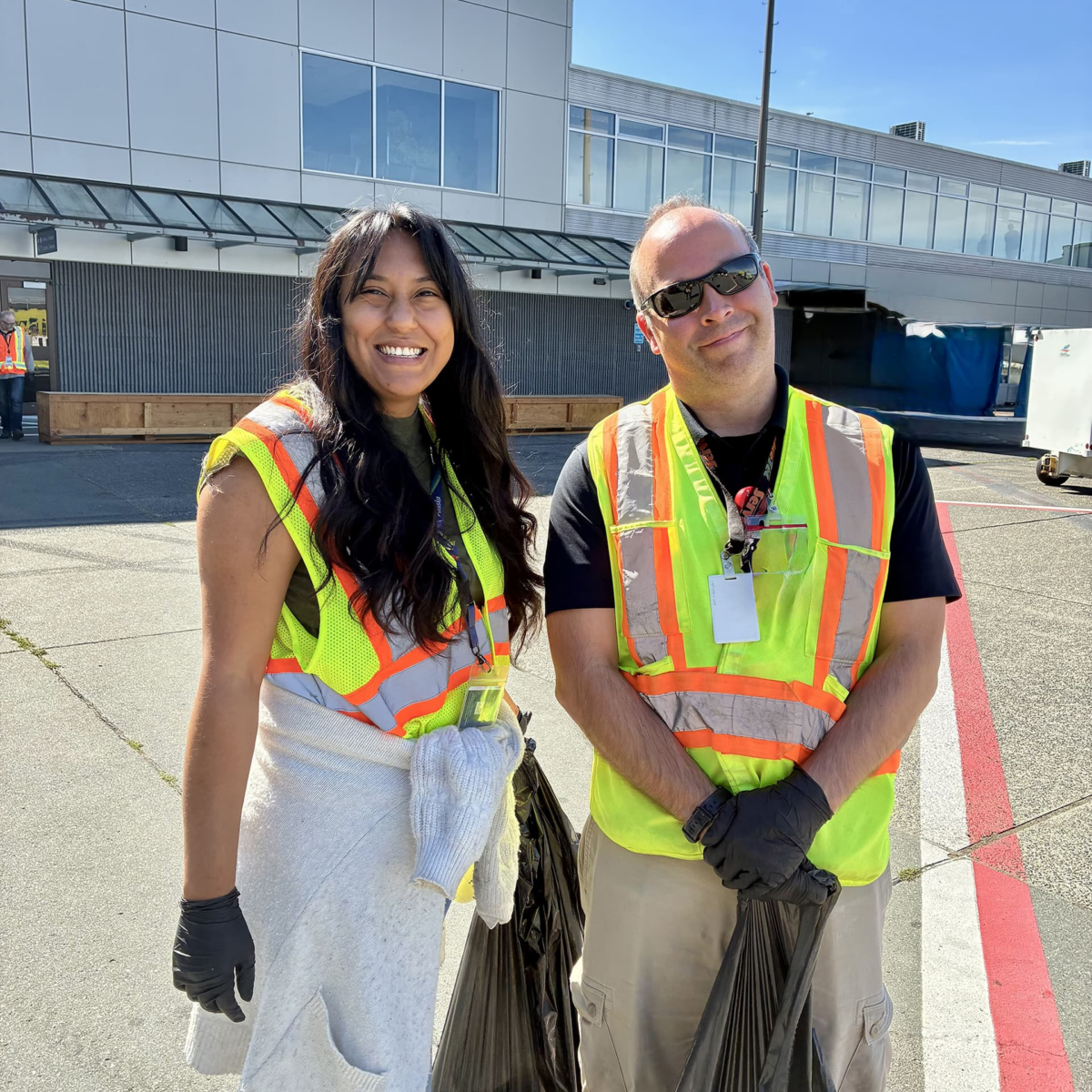
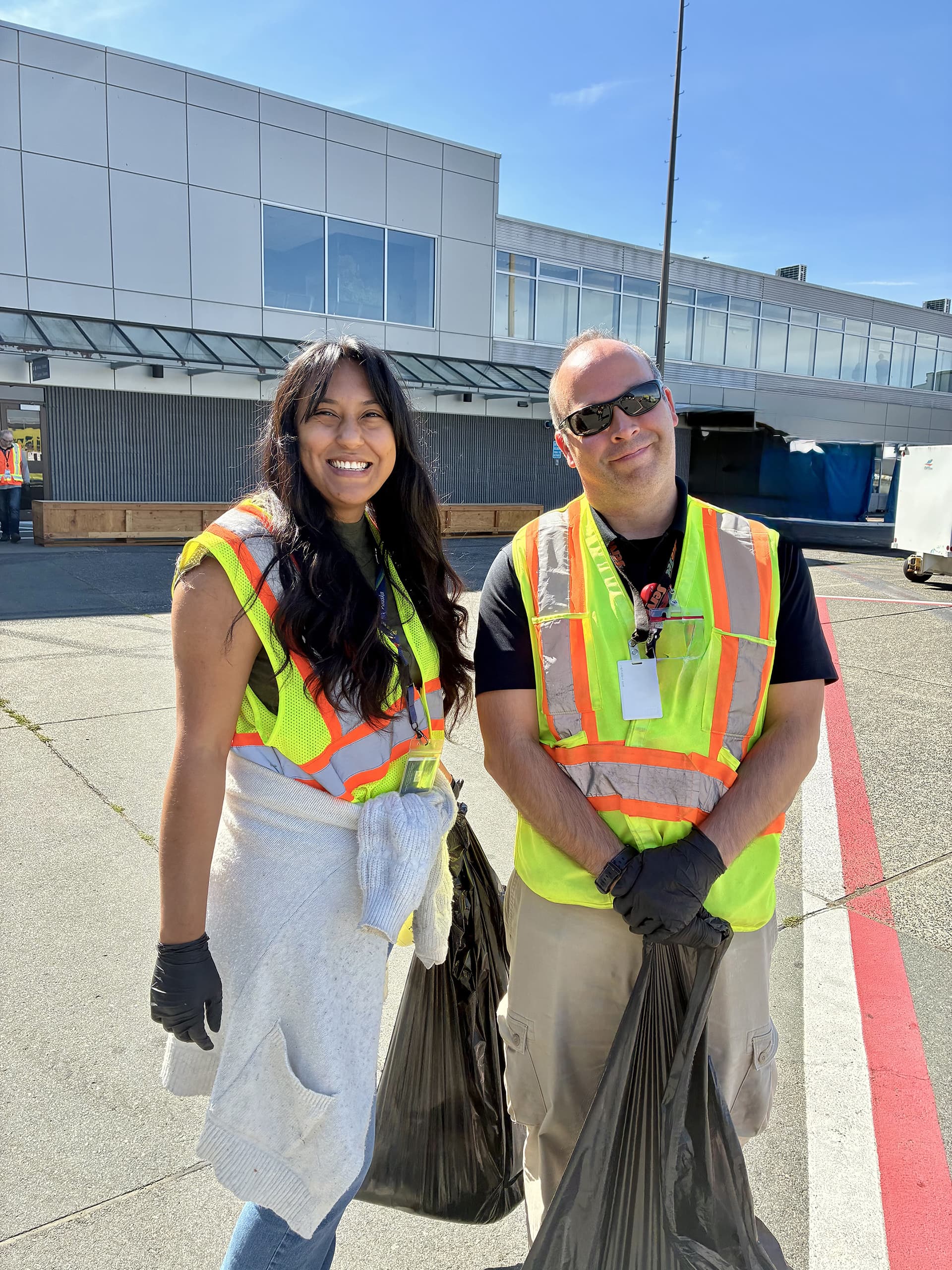
During Canadian Airports Safety Week, the airport community came together for a Foreign Object Debris (FOD) walk across the apron, working side by side to identify and remove debris that could pose safety risks. While these checks happen every day, the exercise served as a visible reminder that safety at YYJ is a shared responsibility.
Red Coat Volunteers
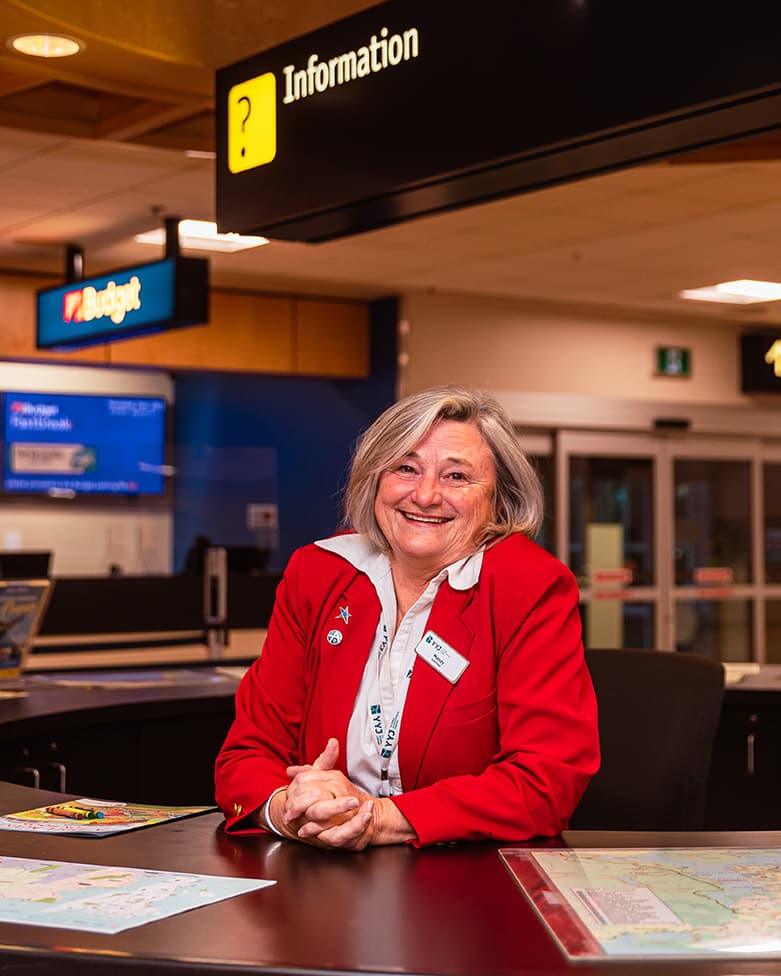
Named for the bright red blazers they wear, YYJ’s Red Coat Volunteers are the friendly airport ambassadors who greet the public and provide front-line customer assistance. Located at the information desk near the Arrivals rotunda, the Red Coats are ready to help travellers seven days a week. In 2025, the program was supported by 21 dedicated volunteers.

In 2025, Victoria International Airport was one of only two airports to receive the Airport Service Quality (ASQ) Customer Experience Award for Best Airport in North America at Departures serving under two million passengers, presented by Airports Council International (ACI).
The ASQ program is the aviation industry’s leading global benchmark for airport customer experience, based on passenger surveys conducted throughout the travel journey.
This recognition reflects the dedication of the entire airport community—including airlines, screening partners, retailers, service providers, and YYJ staff—who work together to deliver a welcoming, efficient, and high-quality travel experience for passengers.
Passenger Experience
Providing a welcoming, accessible, and efficient travel experience remains a priority for the Victoria Airport Authority. In 2025, initiatives continued to support passengers of all abilities and improve the accessibility and ease of navigation throughout the terminal.
- VAA continued implementation of its Accessibility Plan, developed in accordance with the Accessible Canada Act, with improvements to passenger wayfinding, mobility assistance services, and barrier-free facilities. These efforts support a seamless travel experience for all passengers, from curb to gate.
- We also advanced work on our Official Languages Act (OLA) Action Plan, strengthening the availability of bilingual services and communications to ensure travellers can access information in both of Canada’s official languages.
- Programs that support inclusive travel also expanded. The Sunflower Lanyard Program, designed to assist travellers with hidden disabilities, saw growing participation across the terminal, supported by increased staff awareness and training.
- The return of the holiday music program once again brought seasonal warmth to the terminal, creating a festive atmosphere for travellers during one of the busiest travel periods of the year.
Together, these efforts contribute to a travel experience that is welcoming and distinctly reflective of Vancouver Island—from arrival to departure.

Official Languages at YYJ
VAA’s commitment to the Official Languages Act is reflected in the day-to-day experience of travellers moving through the airport.
From bilingual signage and announcements to front-line service, language accessibility is part of how we create a welcoming and inclusive environment for everyone who travels through YYJ. Behind this is a team effort, with staff across the organization working to ensure that both English and French services are consistently available and integrated into operations.
In 2025, the Victoria Airport Authority further strengthened this work by enhancing our Official Languages Policy and developing an Action Plan to guide consistent bilingual service delivery and communications across the airport.
Operational Excellence
Safe, reliable, and efficient operations are at the foundation of YYJ’s performance. VAA’s Operations team—including Airside Operations, Airport Rescue and Firefighting (ARFF), maintenance, mechanics, and passenger experience—works together to respond to changing conditions and deliver a consistent experience for passengers, partners, and the community. Safety and security remain the highest priority at YYJ.
In 2025, operational systems were strengthened to support reliable response:
- Access control upgrades were implemented across the airport, improving system reliability and consistency
- A multi-agency tabletop exercise was conducted to test emergency response coordination and readiness
- Updates to operational manuals, safety programs, and training enhanced day-to-day readiness and compliance
- Additional equipment, including a snow blower and airside maintenance vehicles,supported winter operations and rapid response
- Successful completion of Transport Canada’s Ground Lease Monitoring Audit, confirming full compliance with lease requirements
- Zero findings across multiple Transport Canada aviation safety and security inspections
Technology & Cybersecurity
Technology systems remain critical to maintaining safe and secure operations:
- YYJ completed the replacement of the Common Use Passenger Processing System (CUPPS), improving flexibility for airline partners
- The Airport Network Replacement and Cyber Security Upgrade project moved through design and procurement
- VAA IT teams actively monitored and responded to increased cyber threat activity, protecting critical infrastructure and operational systems
- A public address system security incident in fall 2025 was quickly contained, with no impact to operations, and resulted in additional system safeguards
Emergency Response
In 2025, the VAA Airport Rescue and Firefighting (ARFF) team responded to 368 incidents—varying from minor events to more complex situations—including fires, medical emergencies, security issues, vehicle accidents, and wildlife events.
- A new 6×6 Oshkosh fire apparatus entered service, enhancing airside fire fighting capability
- Integration of the RCMP Explosives Disposal Unit on Vancouver Island was supported, with a dedicated response vehicle now stationed at YYJ
2025 demonstrated how deeply connection runs through YYJ — between our people, our partners, and the community we serve. Through growth and change, our teams stayed focused on safe, secure, reliable operations and on delivering an airport experience we can be proud of.”
René Sheïr,
Vice President, Operations
A Day in the Life of the Airport Operations Centre
The Airport Operations Centre (AOC) is the heartbeat of daily operations at YYJ.
From early morning runway inspections to late-night airfield maintenance, the AOC coordinates the people, equipment, and decisions that keep the airport running safely around the clock.
Here is what a typical day can look like.
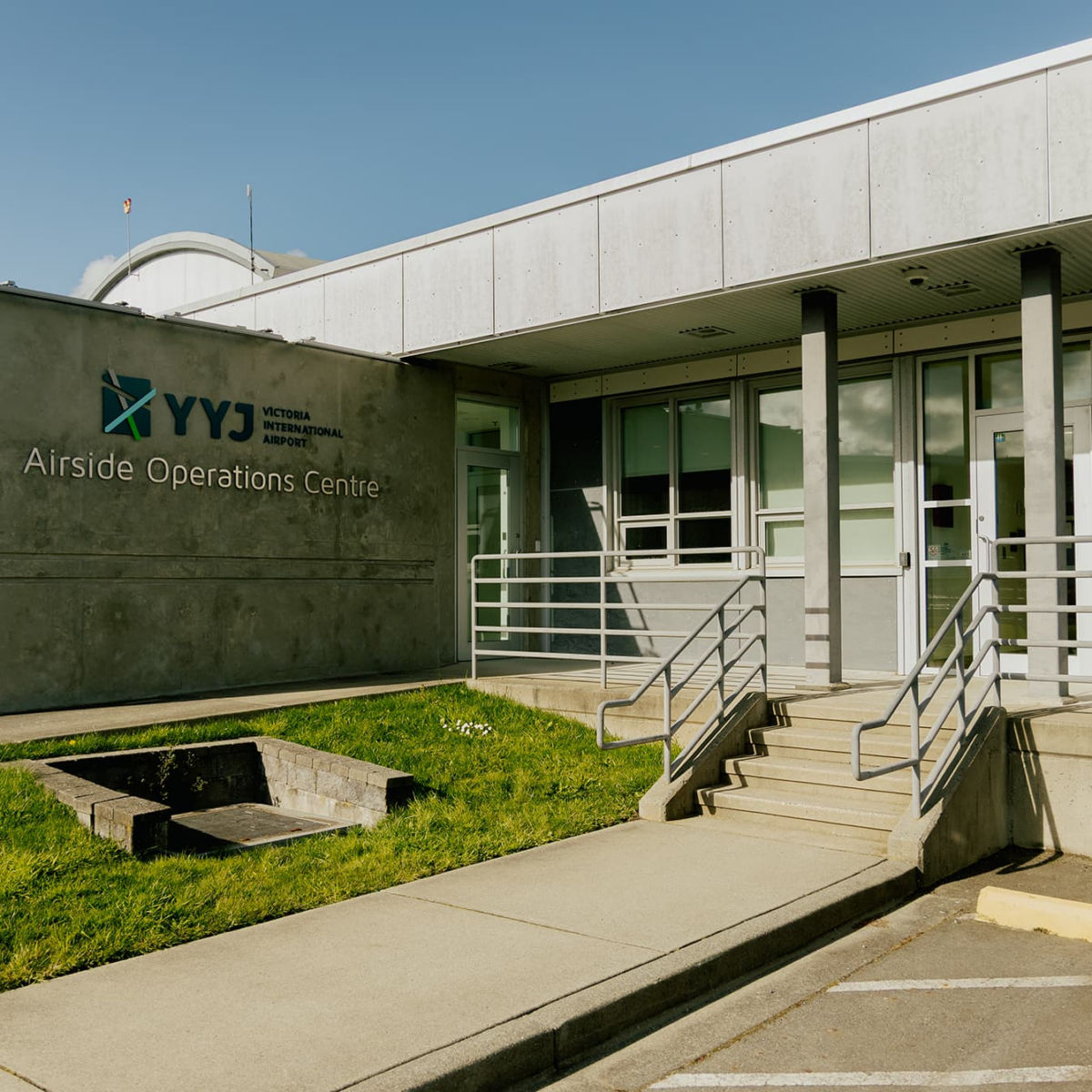
4:00 am The Airfield Wakes Up
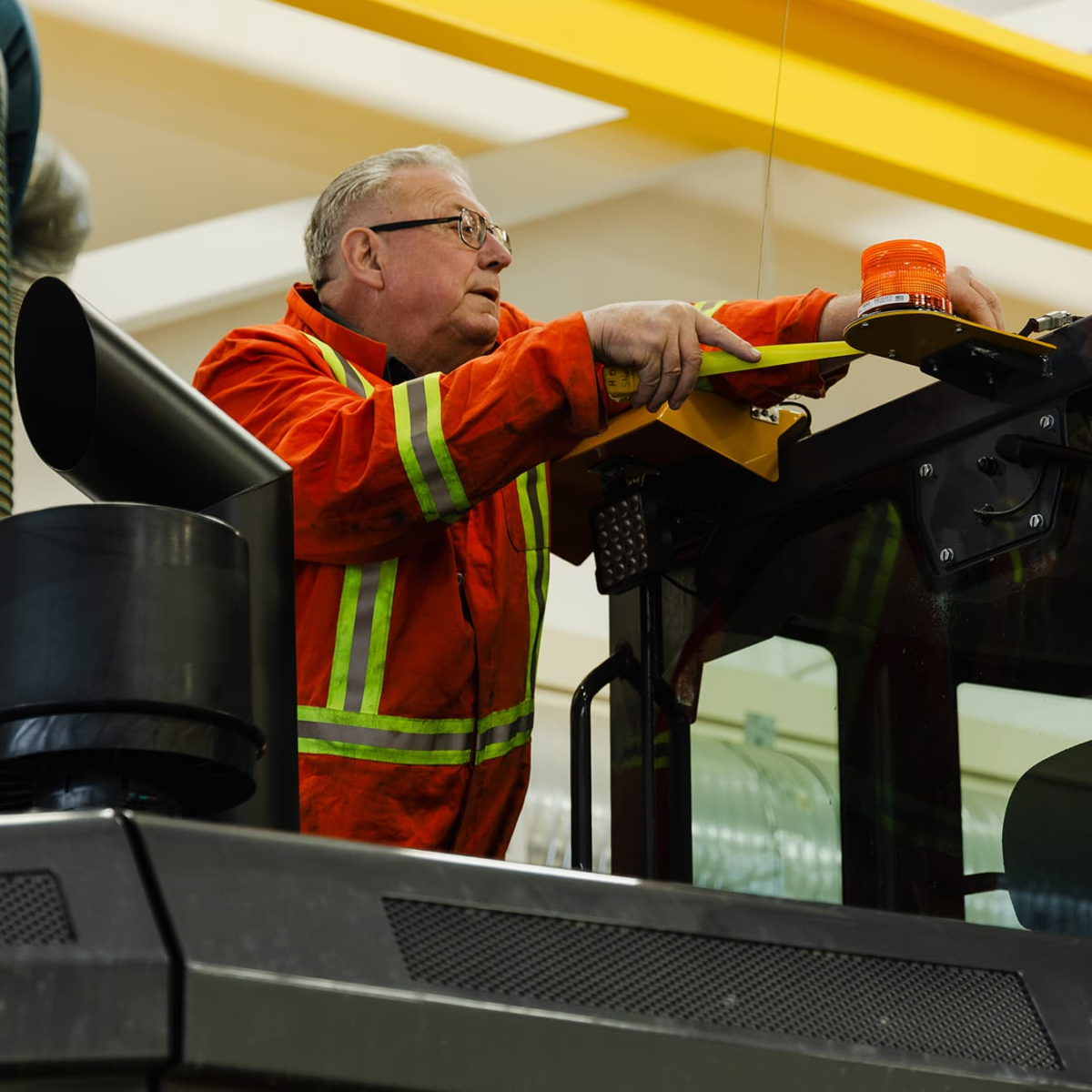
6:30 am Planning the Day
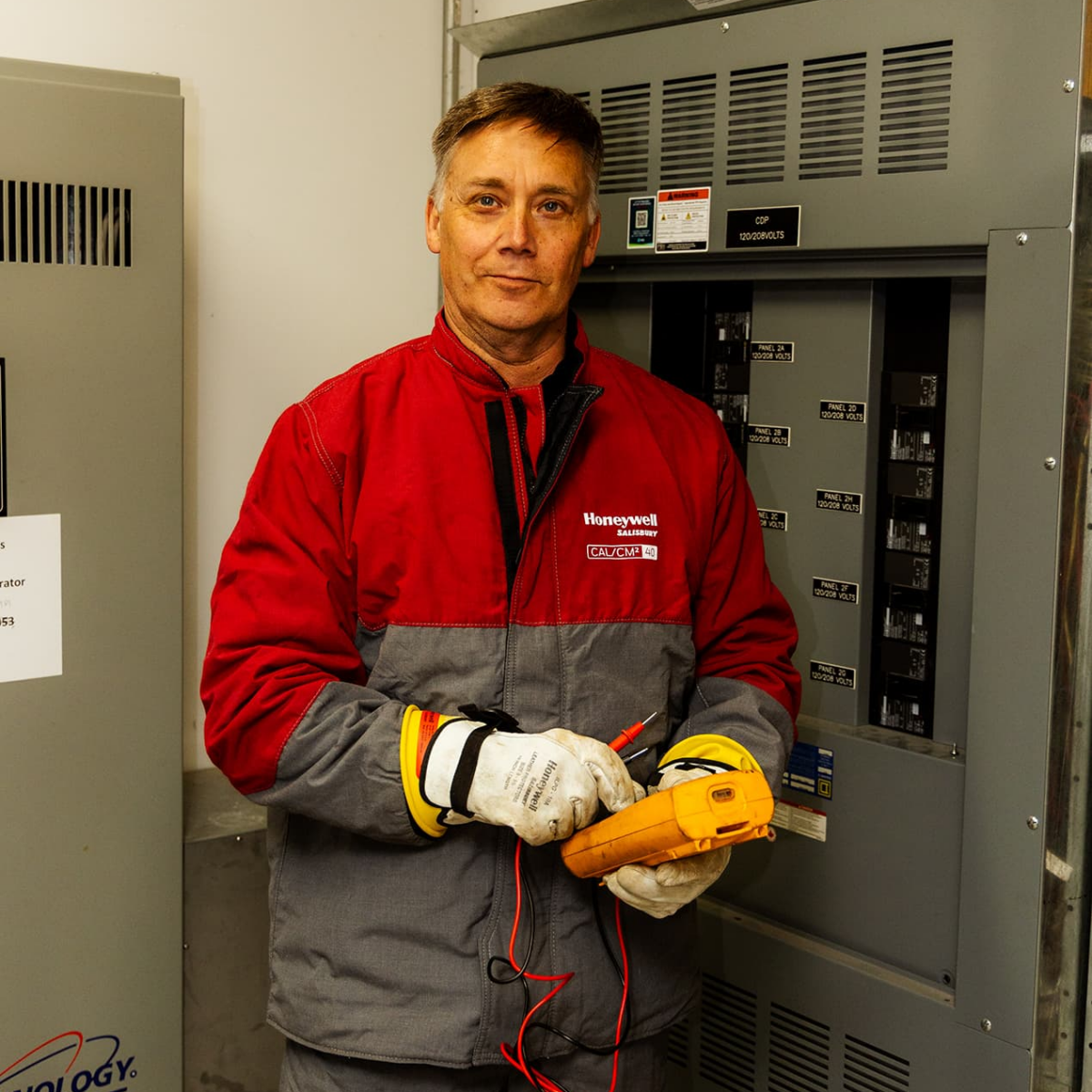
7:30 am Work Begins Across the Airport
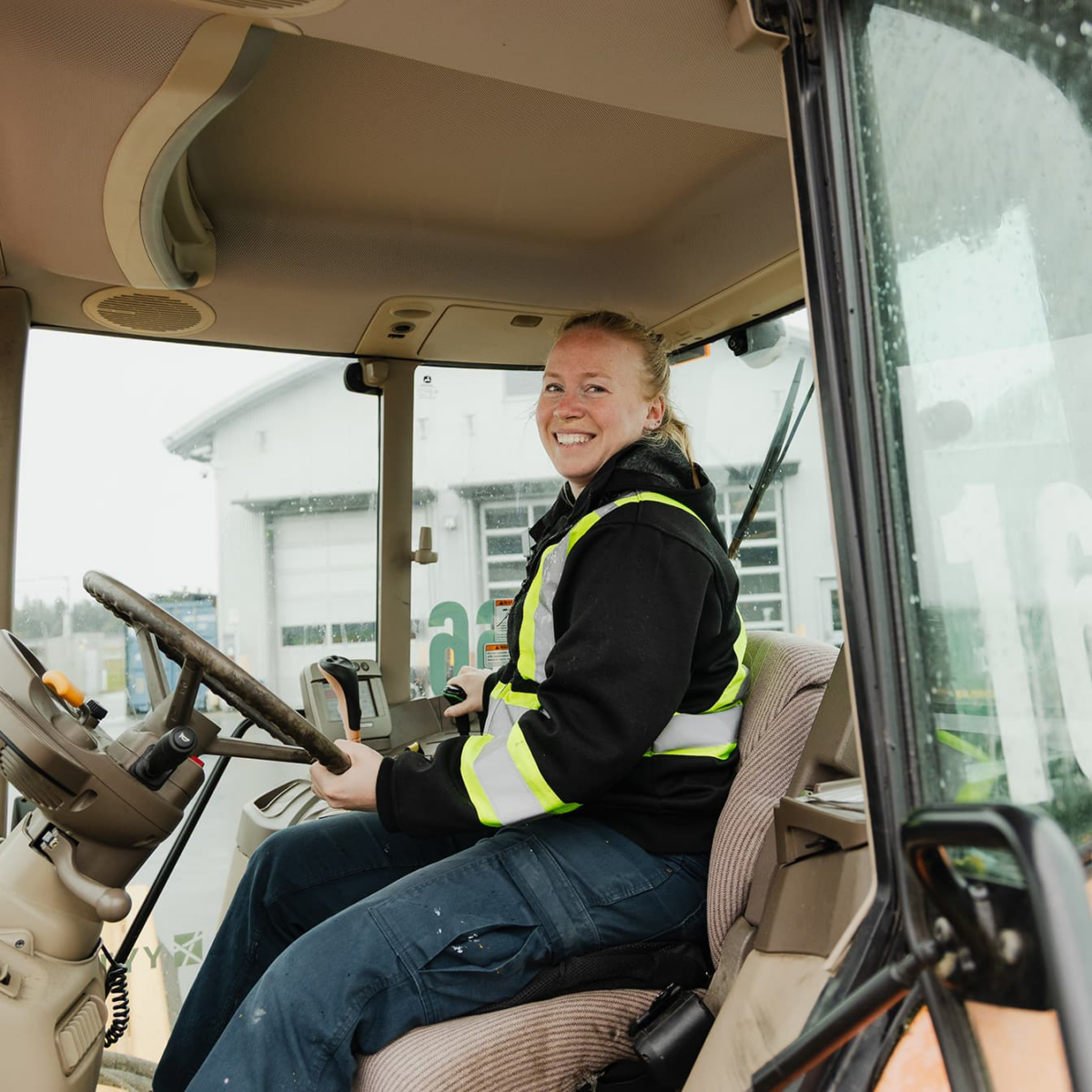
8:00 am The Airfield in Motion
11:00 am Responding to the Unexpected
Afternoon Preventing Tomorrow’s Problems
Evening Preparing for Night Work
End of Shift Ready for Tomorrow
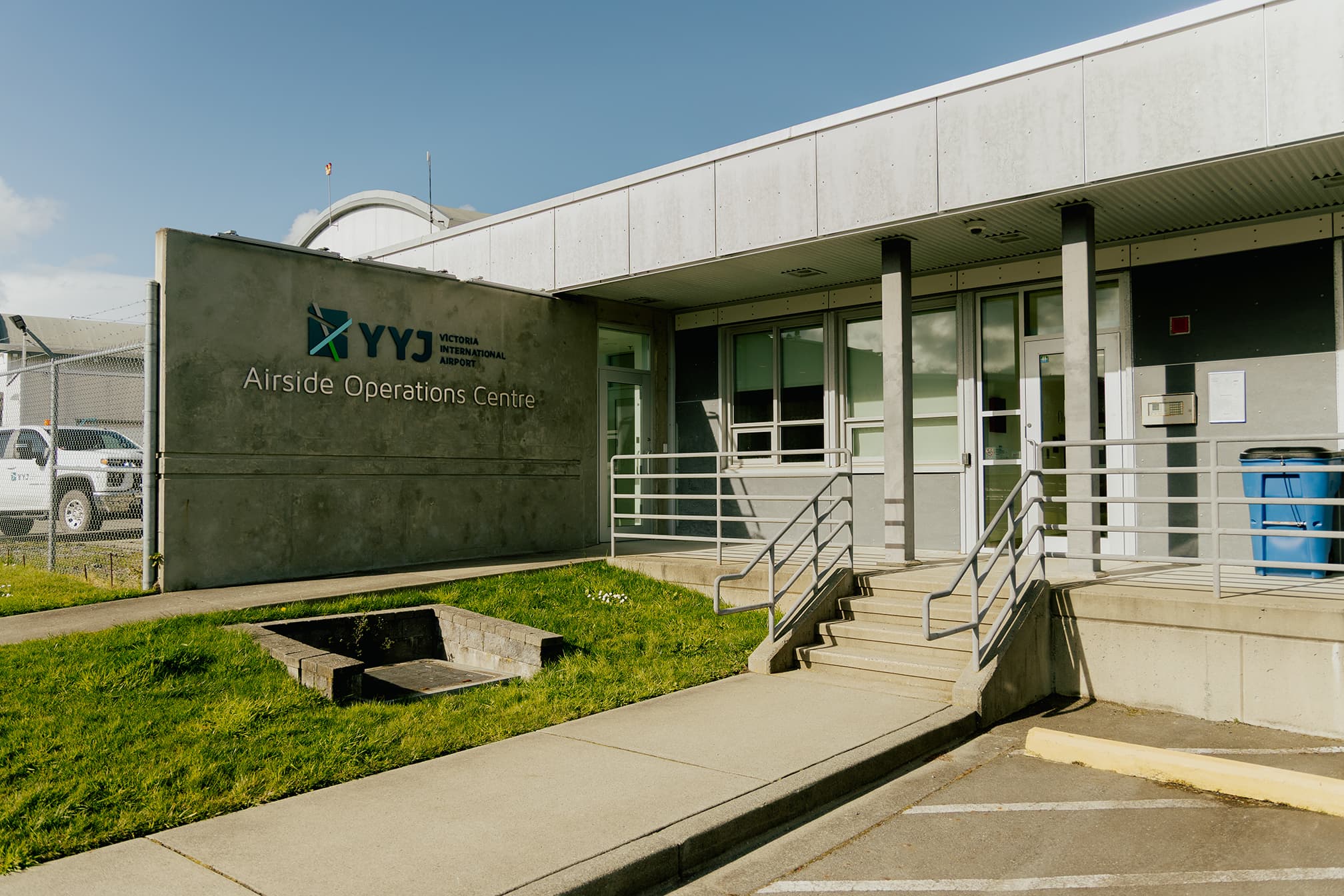
The Airfield Wakes Up
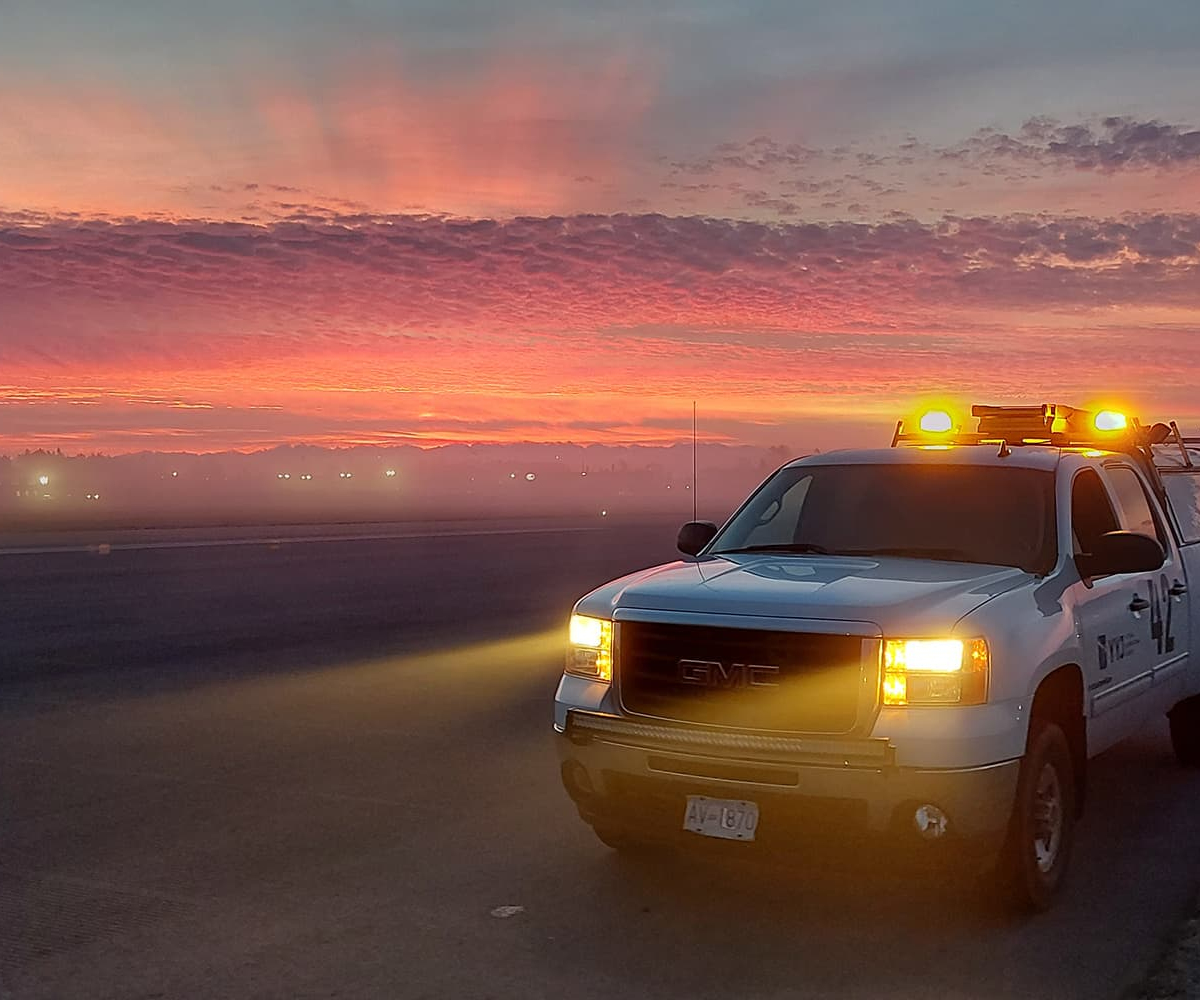
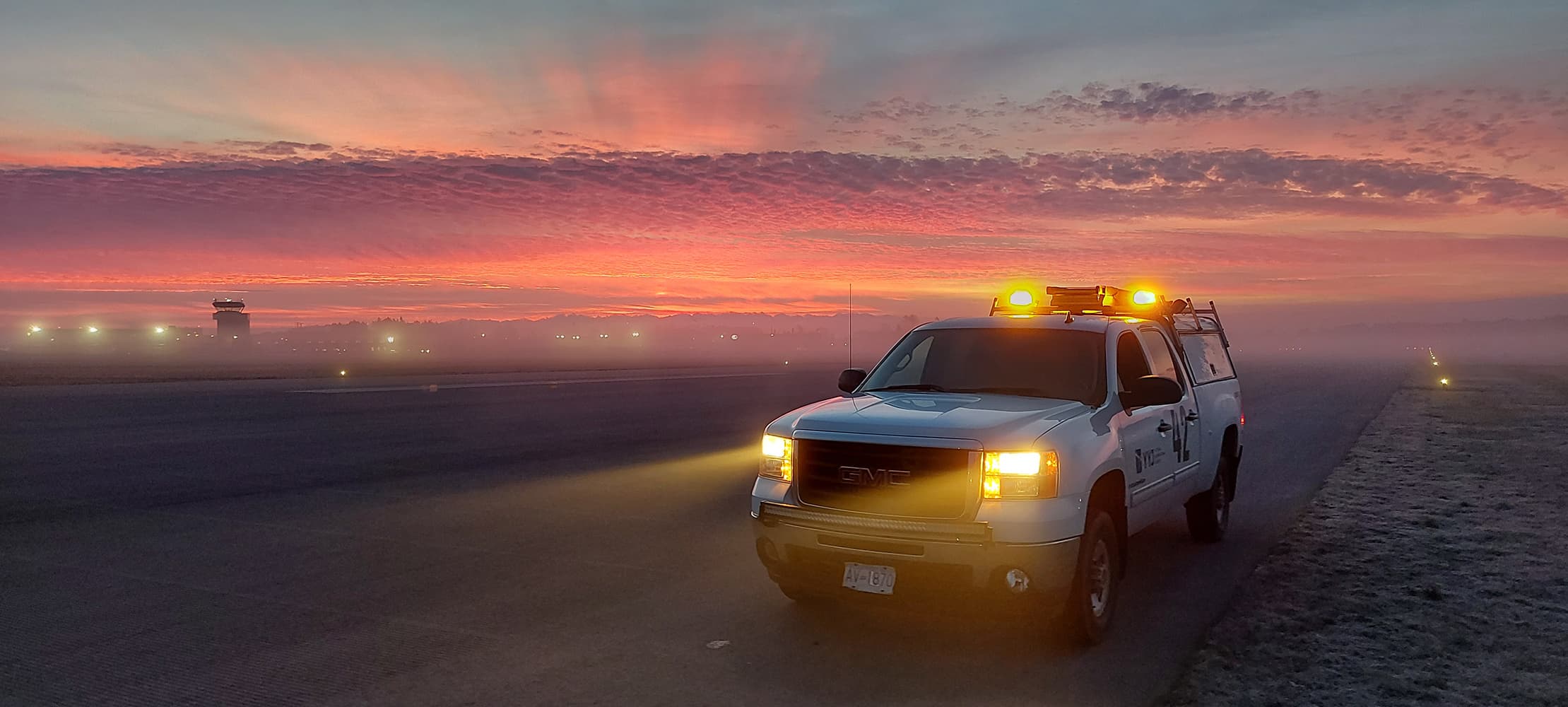
Before the first passengers arrive, the team is already at work. Crews conduct the morning runway and taxiway inspection, checking for foreign object debris (FOD), wildlife hazards, and pavement conditions. During the rainy season, even earthworms must be cleared to reduce bird activity and maintain safety. The inspection produces a Runway Surface Condition Report, providing pilots, NAV CANADA, and airport operations staff with real-time information on airfield conditions.
Planning the Day
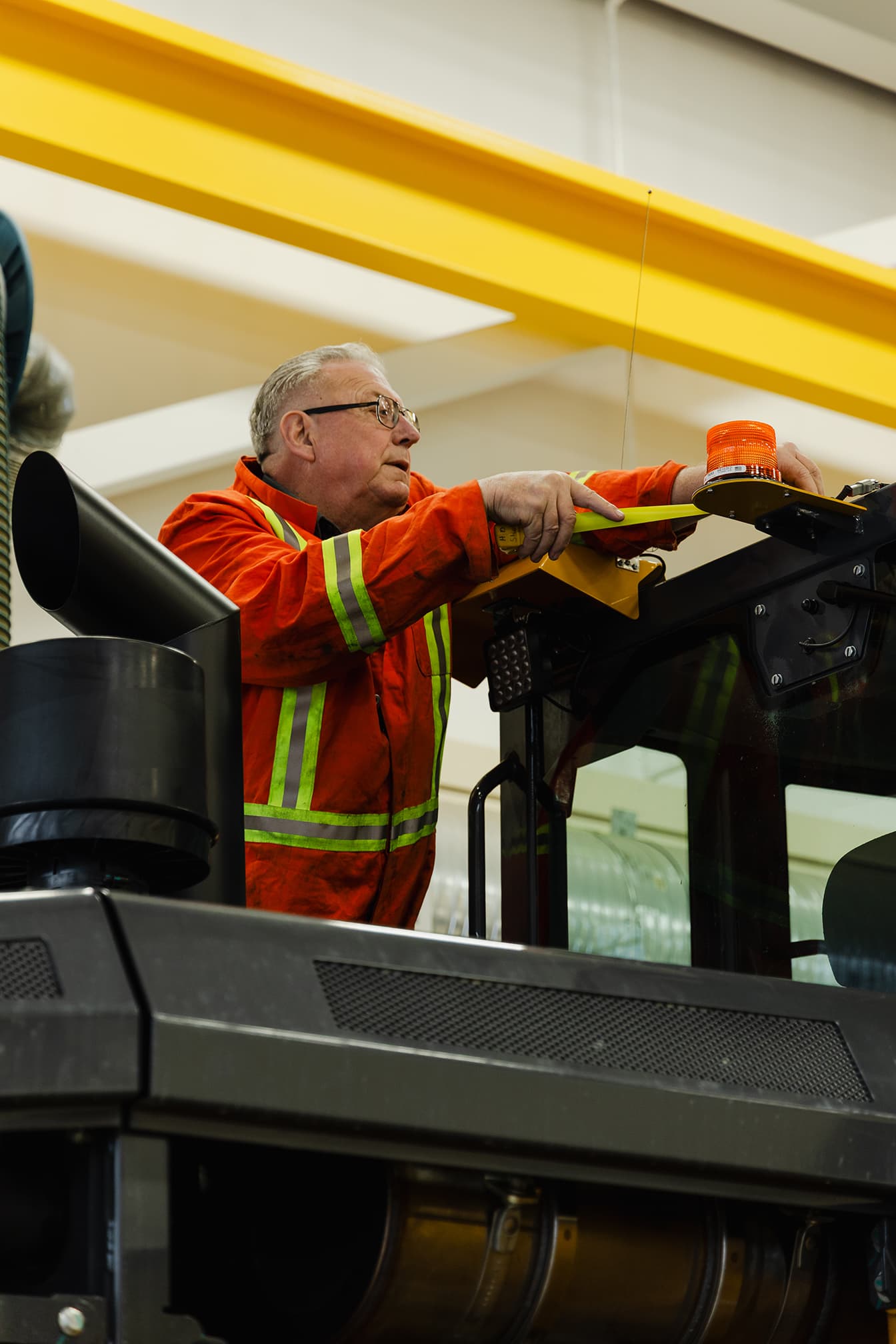
As more teams arrive, the Airport Operations Centre becomes a hub of coordination. Maintenance crews gather for a daily toolbox talk, reviewing weather forecasts, operational notices, and the day’s work plan. Mechanics assess overnight work orders, while electricians review airfield lighting systems and identify any faults requiring attention. Every task — from mowing grass to servicing equipment — is planned with safety and operational continuity in mind.
Work Begins Across the Airport
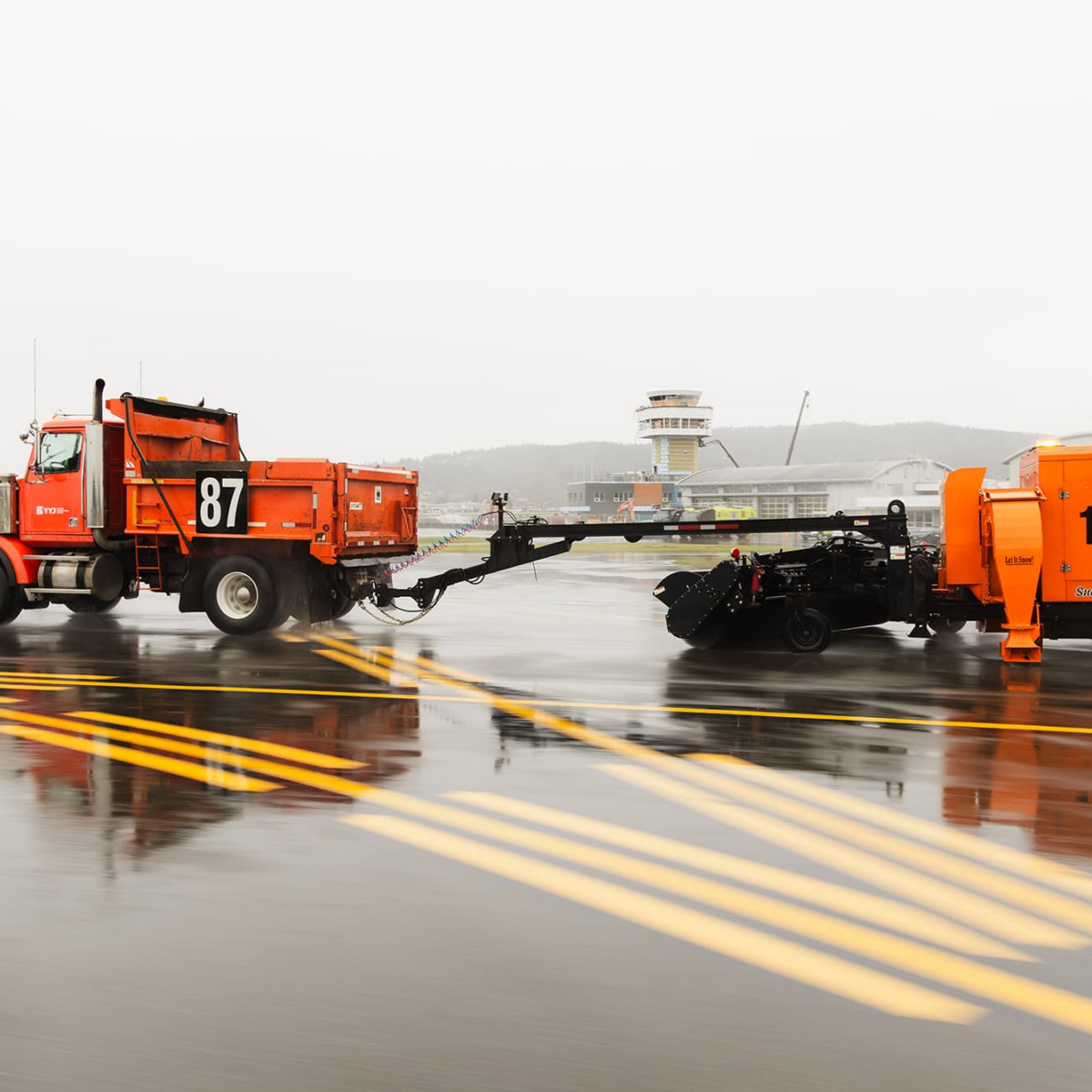
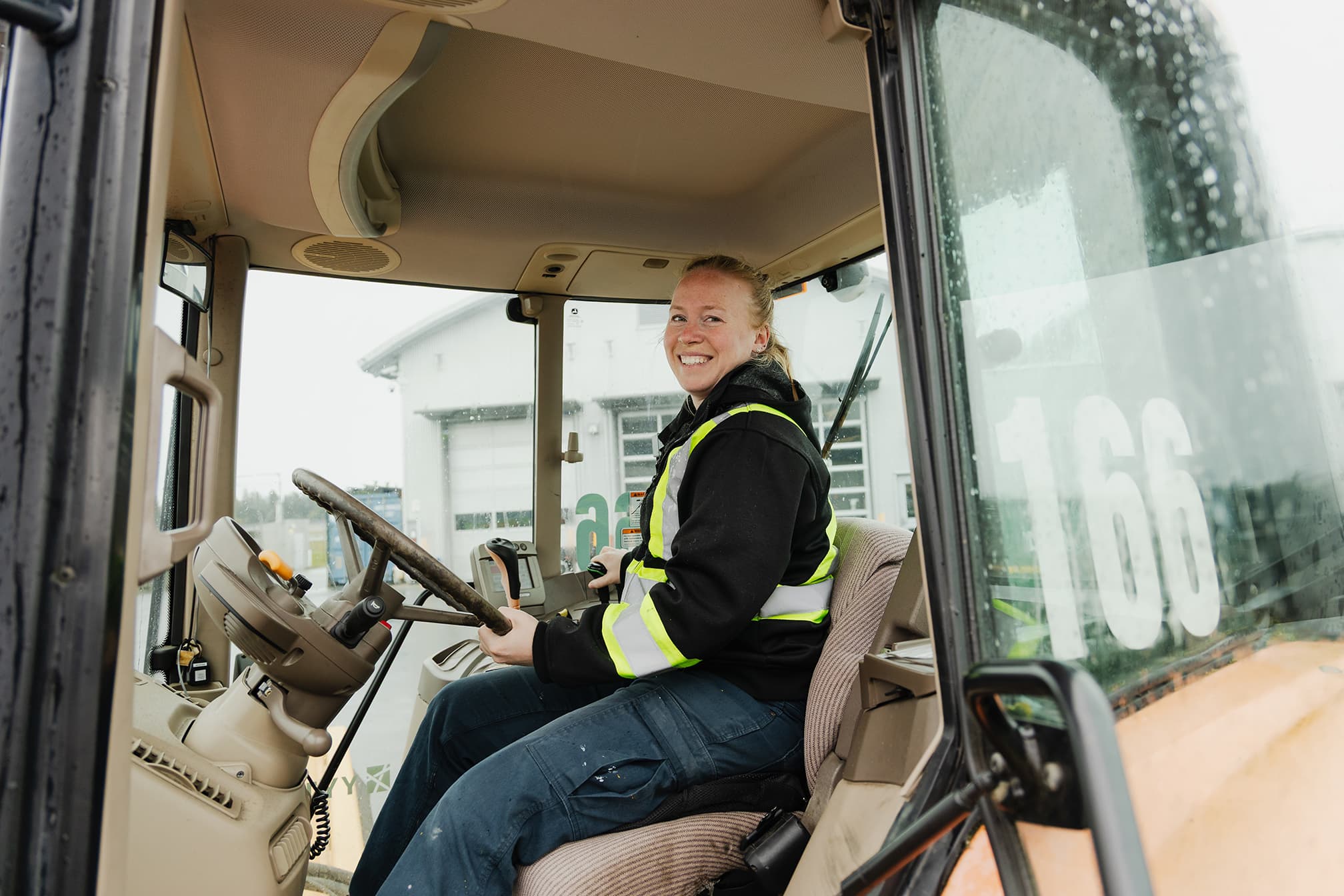
With morning briefings complete, teams deploy across the airport campus. Airfield electricians carry out inspections and maintenance on critical systems, including high-voltage runway lighting circuits, navigational aids, and backup power. These systems support aircraft movement and must remain operational at all times. In the maintenance shop, mechanics service a diverse fleet of more than 150 pieces of equipment, including fire trucks, runway sweepers, loaders, tractors, and snow removal equipment.
The Airfield in Motion
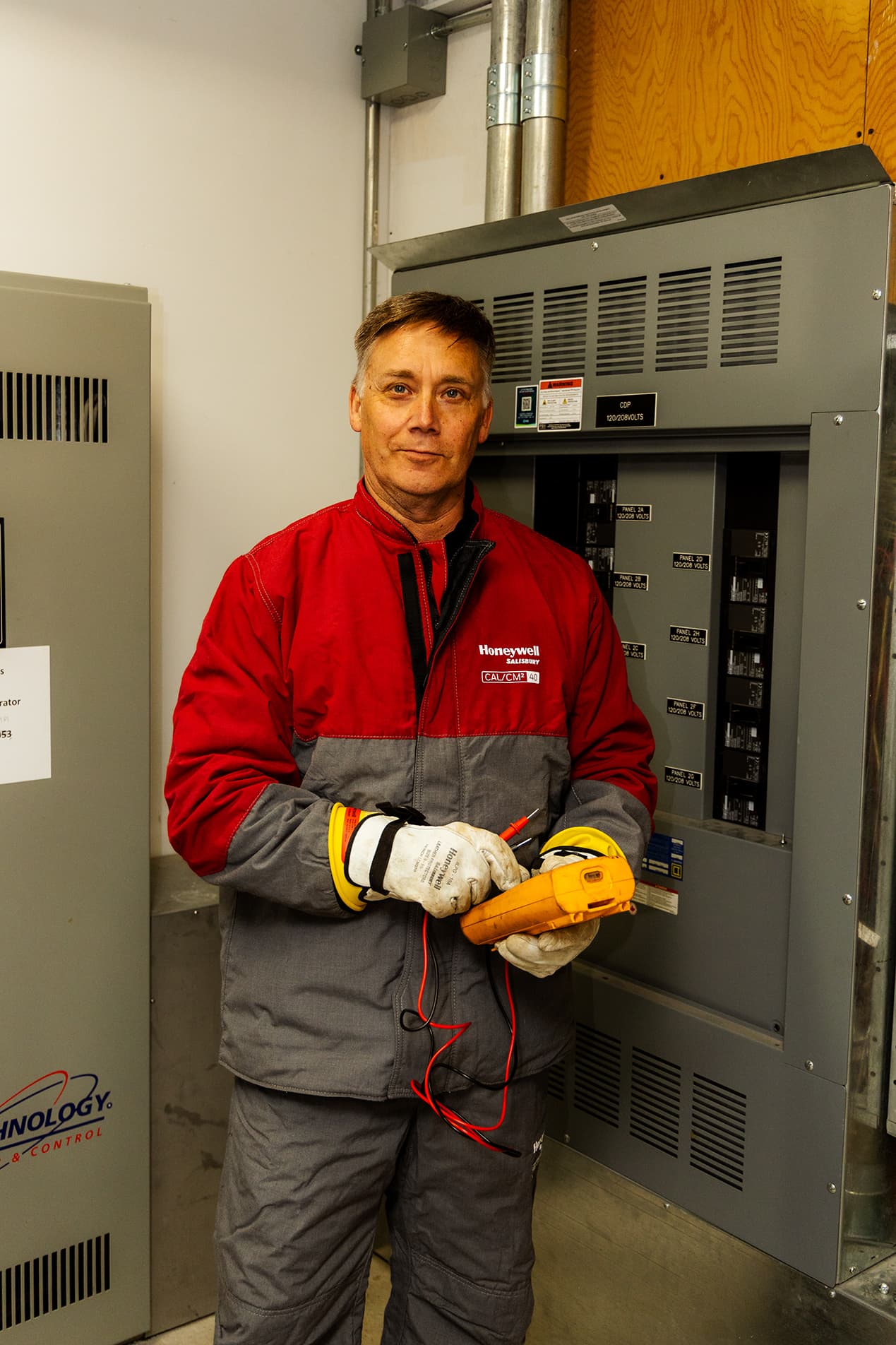
Throughout the morning, maintenance crews carry out essential work across the airfield. Grass is cut across hundreds of hectares to manage wildlife hazards, while other teams repaint runway and taxiway markings, maintaining nearly 80 kilometres of lines and symbols in accordance with aviation standards. All work is carefully coordinated with air traffic control to ensure it can be completed safely without disrupting aircraft operations.
Responding to the Unexpected
Airports are dynamic environments, and unexpected issues can arise at any time. A circuit fault can trigger an alert. A runway light may be reported out by a pilot. A passenger loading bridge could require urgent repair. Electricians, mechanics, and operations teams respond quickly to ensure systems remain safe and operational for both aircraft and passengers.
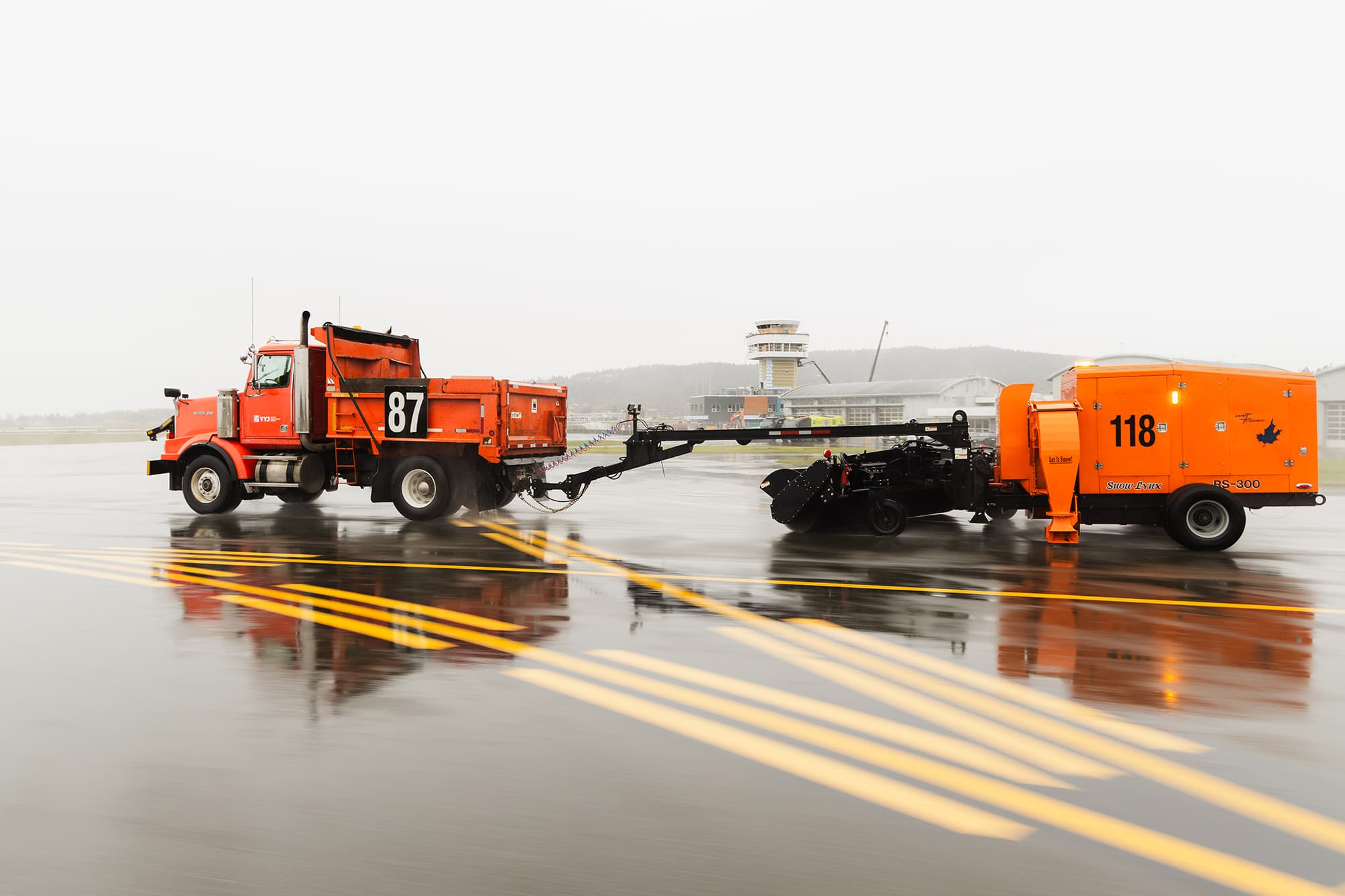
Preventing Tomorrow’s Problems
While urgent issues are addressed as they arise, much of the afternoon is focused on preventive maintenance. Teams inspect windsocks, test emergency generators, calibrate lighting systems, and maintain passenger loading bridges and terminal equipment. Electricians support systems across the airport, including elevators, escalators, navigational aids, and hazard beacons located throughout the Saanich Peninsula. Crews may also support operations beyond the main airfield, including locations like Timber Creek Dam and the Pat Bay Seaplane Base. During winter storms, the entire team works together to keep runways clear and lighting visible.
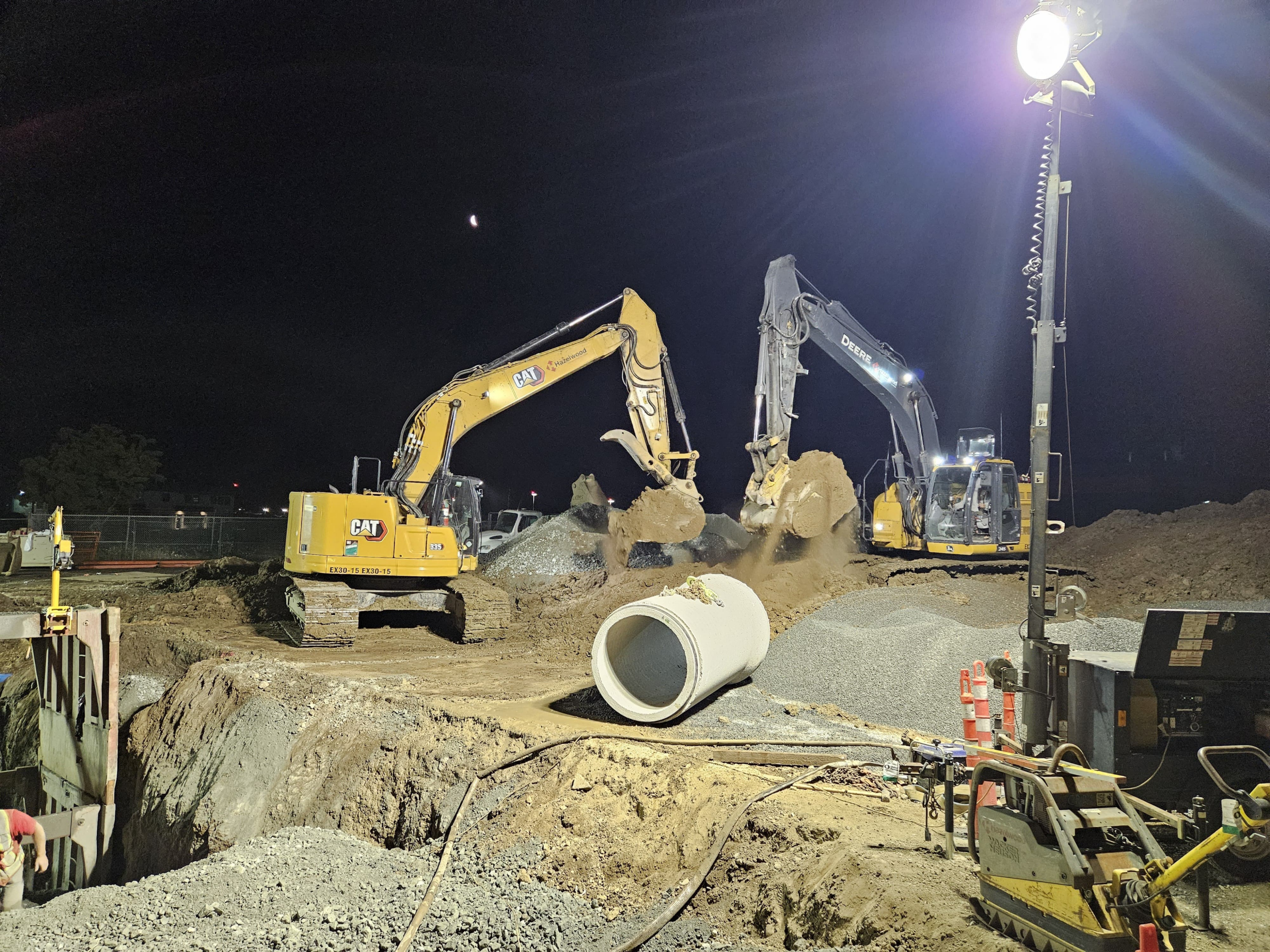
Preparing for Night Work
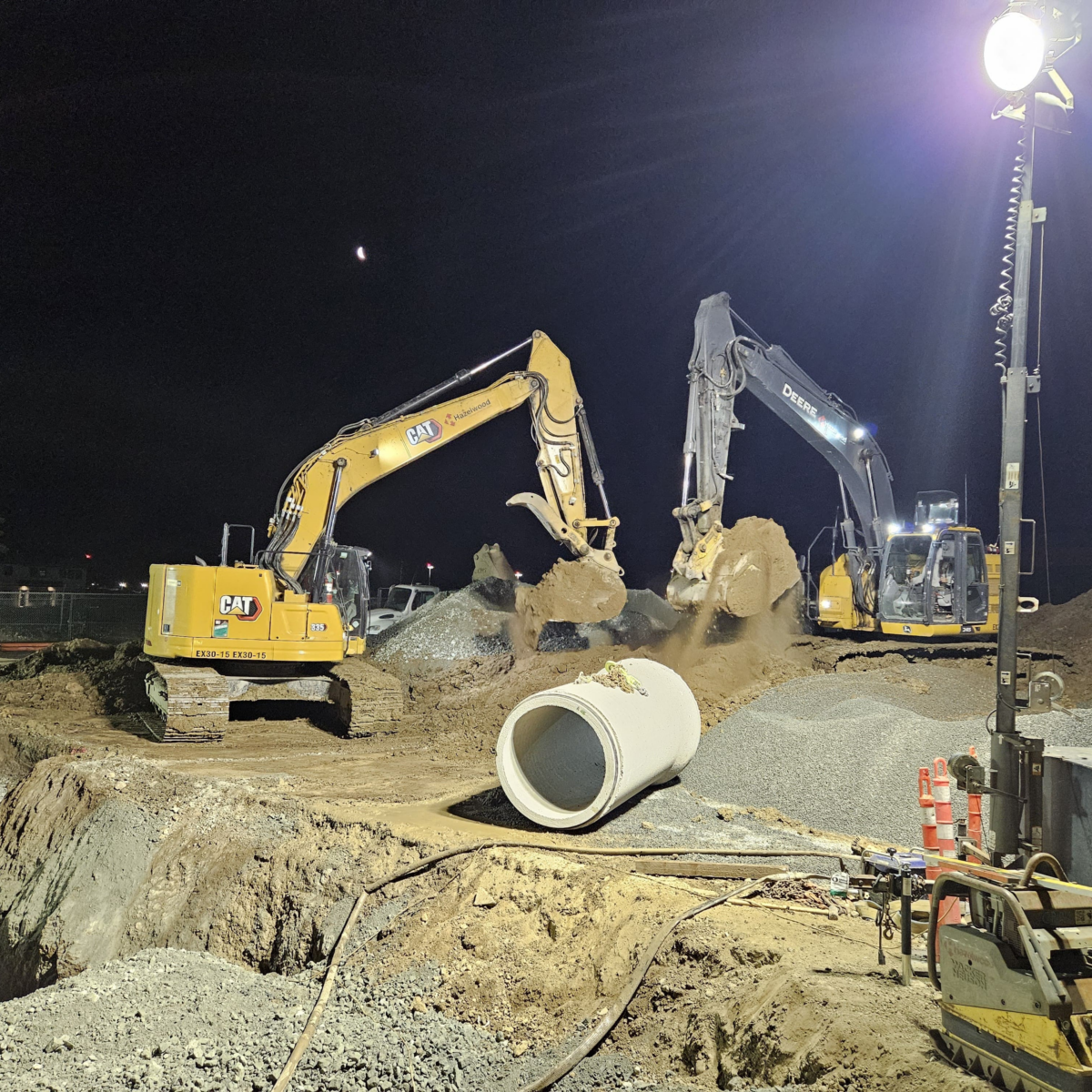
As passenger traffic slows, more complex maintenance activities begin. Major airfield lighting repairs and electrical upgrades are often completed overnight, when aircraft traffic is lower. These projects require close coordination between maintenance teams, airport operations, and air traffic control.
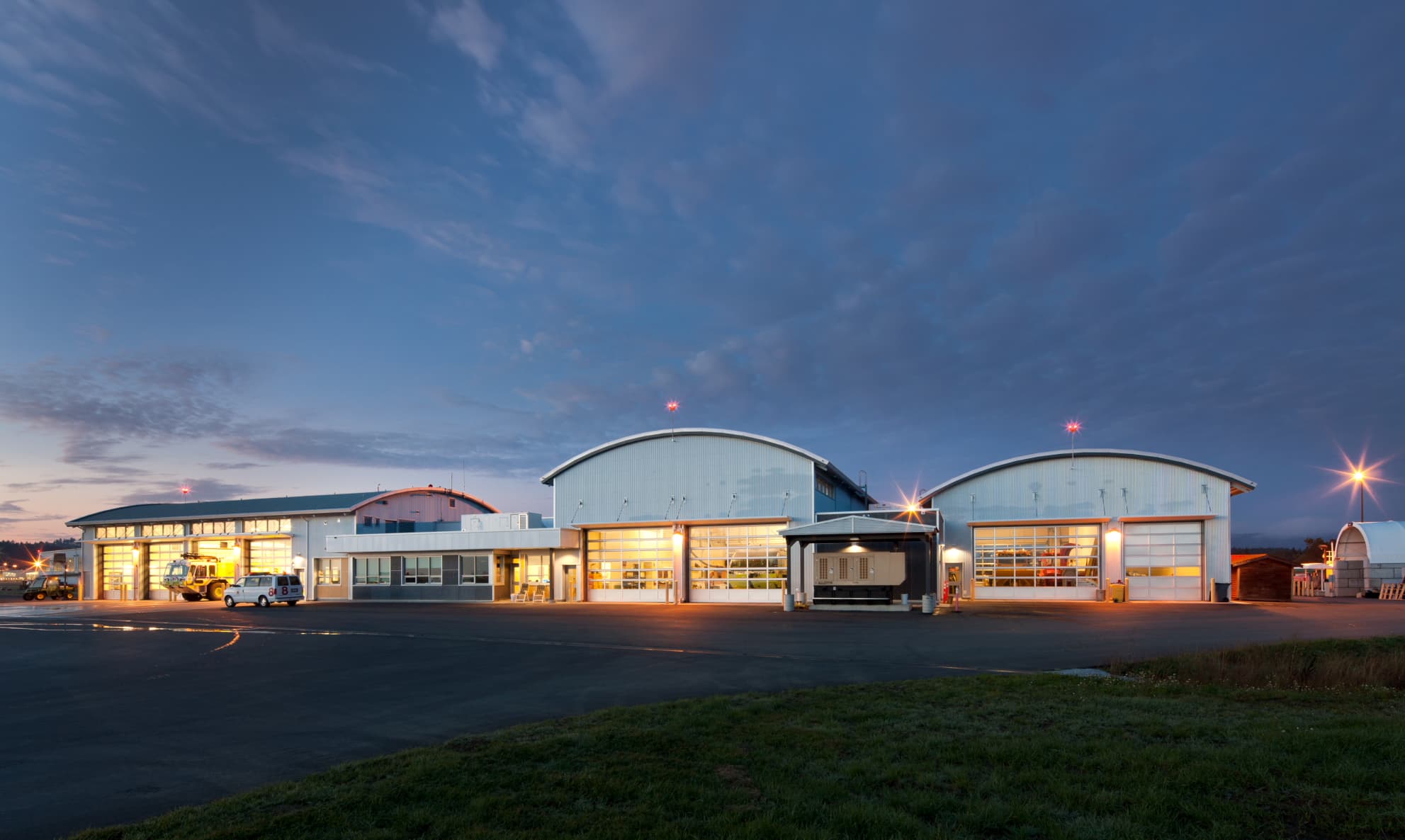
Ready for Tomorrow
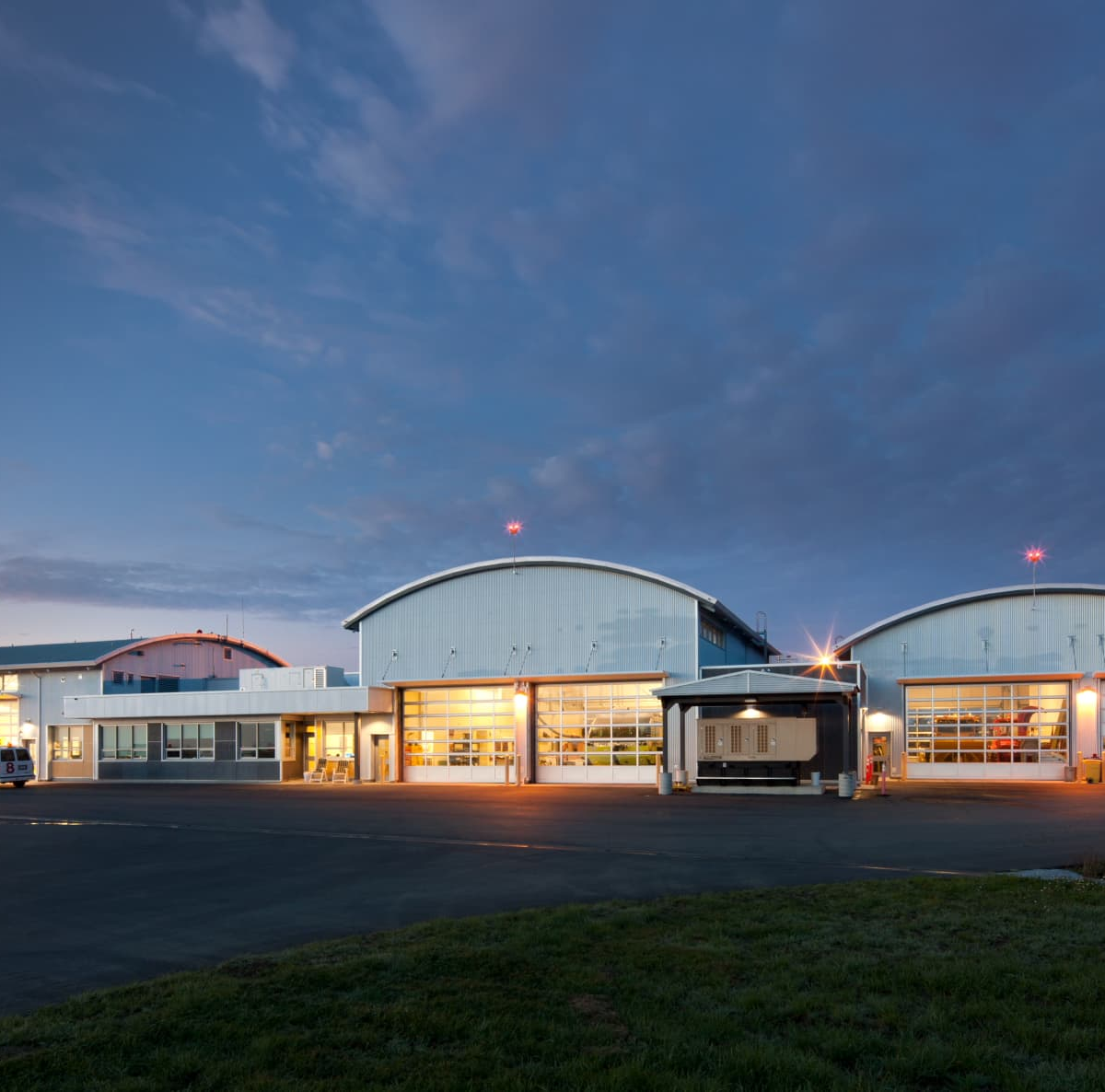
Before leaving, teams complete detailed documentation of the day’s work. Maintenance records are logged, equipment is cleaned and refuelled, and outstanding issues are handed over to the next shift. By the time the final flight departs, preparations for the next day are already underway.
By the Numbers
YYJ’s airfield is supported by a network of:
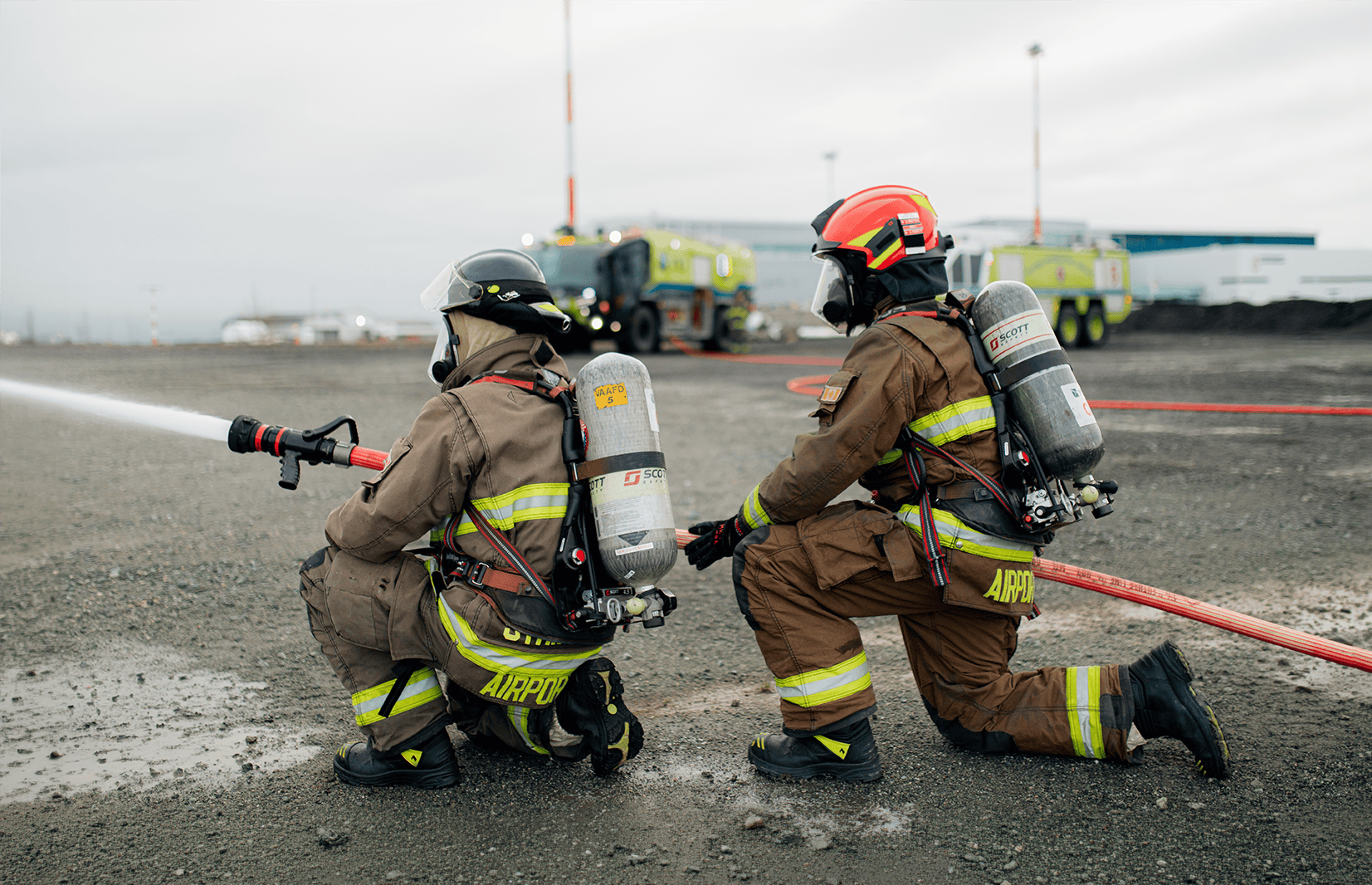
Always Ready
YYJ’s Airport Rescue and Firefighting Service (ARFF) provides critical emergency response ensuring the safety of passengers, staff, and airport operations. The team is highly trained and equipped to respond to a wide range of situations, from aircraft incidents to medical emergencies. Beyond emergency response, the Airport Fire Service plays an active role in prevention, training, and collaboration across the airport community. Working closely with partners and operational teams, they help ensure YYJ remains a safe and prepared environment for everyone who passes through it.
By the Numbers
Maximum response time from the station to the midpoint of the furthest runway
Equipped with 51-foot booms and piercing nozzles for aircraft fire suppression
Water capacity carried by a single fire truck
Water capacity carried by a single fire truck
Weekly
Full checks of all apparatus and systems every Monday
Continuous
Training using on-site aircraft mock-ups and live training props
Growing Opportunity
Airports are more than runways and terminals. Behind the scenes, they’re complex ecosystems — with land, partnerships, commercial activity, and development opportunities all playing a role in keeping the airport financially strong and able to invest in the future.
In 2025, the Victoria Airport Authority took a more intentional step forward in how we approach revenue development, focusing on building the right team, strengthening relationships, and making better use of the assets we already have.A key focus during the year was the expansion of YYJ’s commercial and external affairs capacity. A dedicated team was established to lead revenue strategy, business development, communications, and community engagement.This investment reflects a broader shift toward a more proactive and coordinated approach, focused on the airport’s role as an economic driver and community asset.
In 2025, we spent more time engaging with airlines, tenants, and interest holders across the community, making sure we’re clearly communicating the value of the airport and working together on future opportunities. We also took part in VAA’s first air service development conference and continued building airline relationships, including supporting the launch of Porter Airline’s new direct service to Ottawa.
A key milestone in 2025 was the approval of an updated Land Use Plan for airport lands. The plan establishes a framework for how different areas of the airport campus can be used and developed in the years ahead, helping align future development with the airport’s long-term growth strategy. It identifies opportunities for a wider range of aviation-compatible uses, including business, technology, logistics, hospitality, and commercial development. For YYJ, the Land Use Plan provides more than zoning guidance, it creates a clear roadmap for how the airport can steward its land base while supporting economic development on the Saanich Peninsula and across the region.
At the same time, the airport advanced a more comprehensive approach to revenue generation. Efforts were focused across both aeronautical and non-aeronautical streams, including land development, commercial leasing, and ongoing review of leasing rates and frameworks to ensure they remain competitive and aligned with market conditions.
In 2025, the airport transitioned to a new parking services provider as part of a broader effort to modernize and enhance parking operations. This transition supports YYJ’s ability to evolve its parking products and services over time, improving the passenger experience while strengthening a key source of non-aeronautical revenue. These efforts unfolded in a year shaped by broader external uncertainty, including global and geopolitical factors influencing travel demand. While YYJ remained relatively insulated, the environment reinforced the importance of building diversified and resilient revenue streams.
In 2025, this work marked a shift toward a more strategic approach to managing and optimizing VAA’s assets. The result is a stronger financial foundation that supports ongoing infrastructure investment, enhances the passenger experience, and sustains air service for the region.
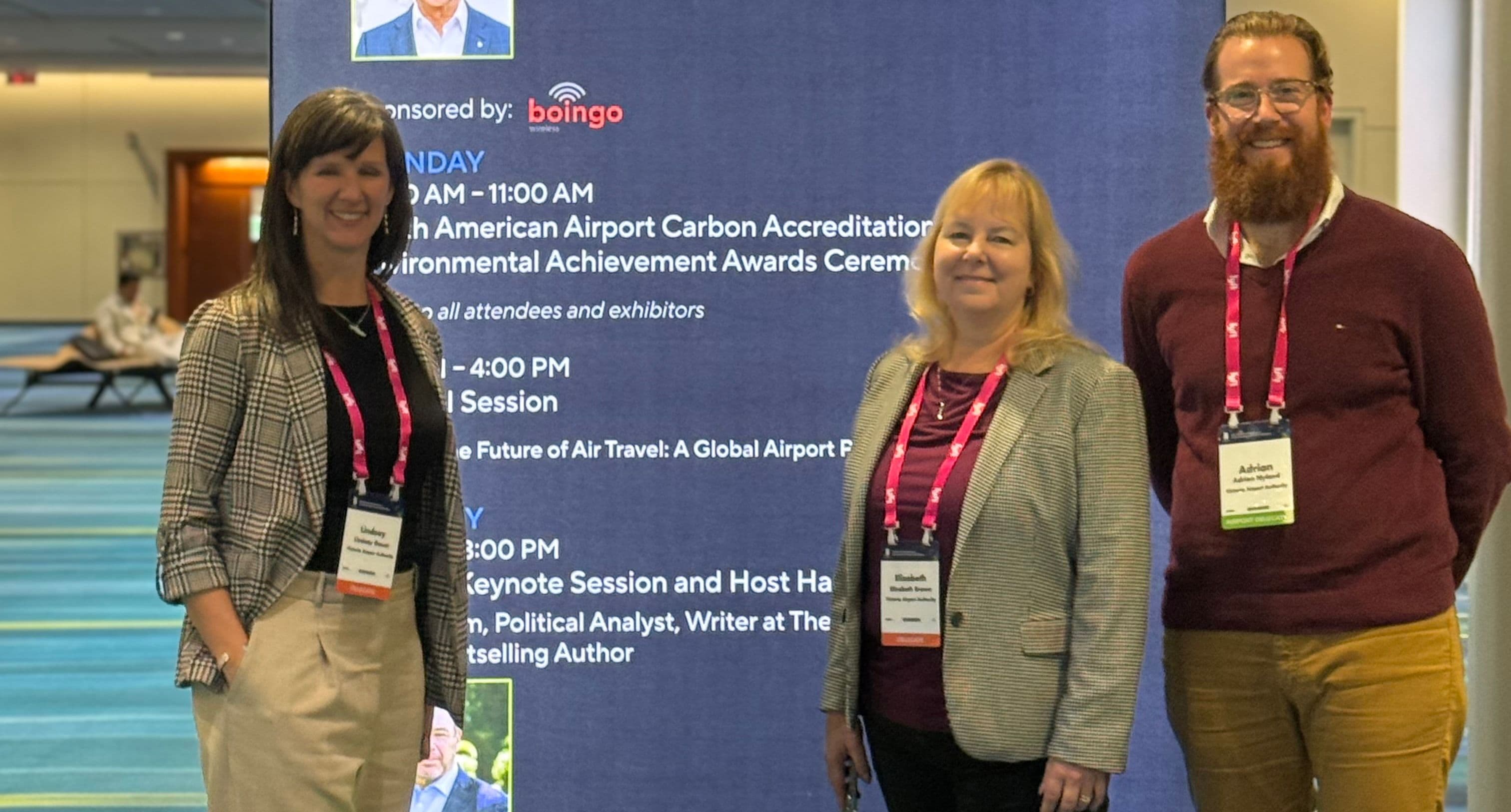
Left to right: Lindsay Gaunt (Vice President, Revenue Strategy and Business Development), Elizabeth Brown (President and CEO), and Adrian Nyland (Director, Innovation, Facilities and IT).
Connecting with Industry at ACI 2025
VAA was on site in Toronto at the 2025 Airports Council International (ACI) — North America & ACI World Annual General Assembly, Conference and Exhibition — a great opportunity to reconnect, learn, and bring fresh ideas home to YYJ.
Airports on the Hill
YYJ is part of a broader national aviation network built on collaboration, shared priorities, and a commitment to keeping Canada connected.
In 2025, President and CEO Elizabeth Brown joined aviation colleagues from across the country in Ottawa for the Canadian Airports Council’s Airports on the Hill. The event brought together more than 25 airports for 42 meetings with government representatives, elected officials, and industry partners.
Discussions focused on the issues shaping the future of aviation in Canada, including airport lease agreements, border and screening modernization, and the significant investment needed to support airport infrastructure in the years ahead.
Through the Canadian Airports Council, YYJ contributes to advancing a competitive and passenger-focused aviation sector. Participation in Airports on the Hill reflects that shared effort and the importance of working together to strengthen Canada’s aviation network for the communities it serves.
Building for the Future
Behind the scenes, 2025 was a year of disciplined capital delivery and long-term planning.
In 2025, the Victoria Airport Authority delivered a $14.6 million capital program, completing 28 major lifecycle and infrastructure projects that improved airfield reliability, drainage resilience, passenger processing systems, and operational efficiency.
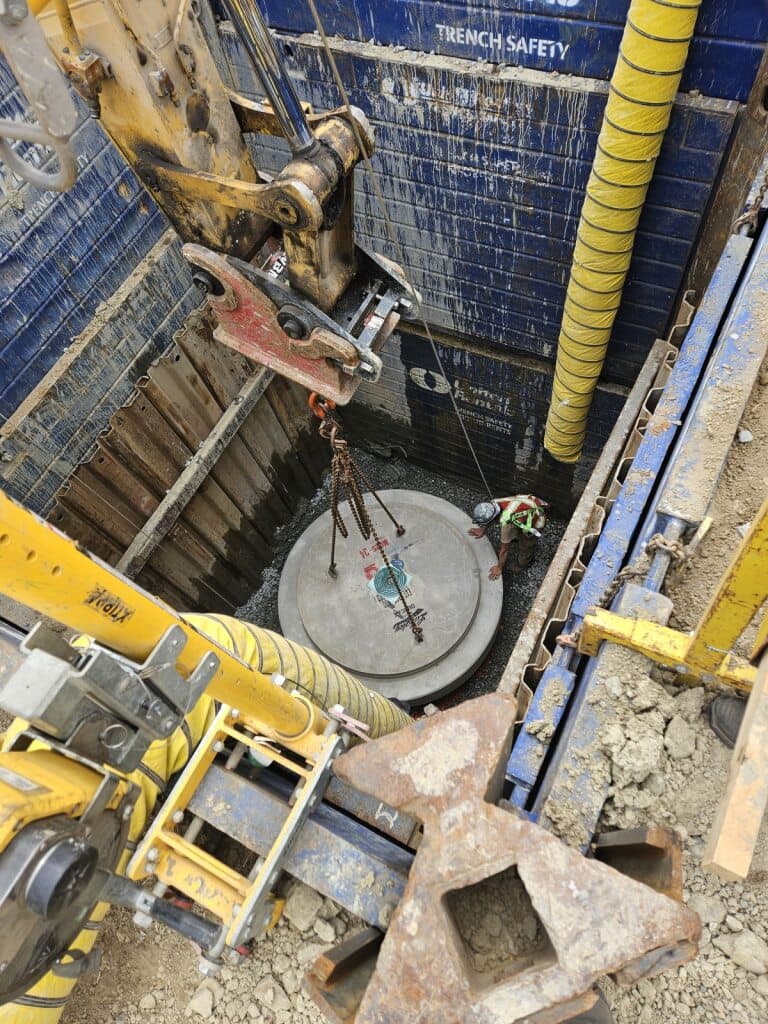
At Apron IV and West Saanich Road, aging storm water infrastructure dating back decades was replaced after reaching the end of its useful life. The upgrades reduce flooding risk, improve environmental performance, and support the long-term reliability of both airfield and roadway infrastructure. Long-term infrastructure planning also advanced through the Underground Utilities Condition Assessment, which provided updated information on water, sanitary, and storm systems across the airport campus and will help guide future capital planning.
Planning advanced for the next generation of passenger facilities at YYJ with the completion of the design for the Upper Holdroom Expansion. This milestone positions the project for construction in 2026 and will significantly enhance capacity and amenities in the departures area.
The Terminal Expansion Program is part of the airport’s long-term plan to accommodate growing passenger demand and modernize key infrastructure. The program includes upgrades to passenger processing areas, improvements to baggage-handling systems, and future terminal expansions to support additional gates and passenger boarding bridges. 2025 was a year of planning, culminating in the decision to use the Integrated Project Delivery (IPD) model. The first step of the IPD, the validation phase, will begin in 2026. IPD was selected as the delivery model offering the greatest overall value for the project, and YYJ is the first airport in NorthAmerica to adopt this approach at this scale.
2025 was a year of disciplined execution and forward positioning. We delivered a strong capital program while laying the groundwork for major infrastructure investments that will support YYJ’s growth for decades to come.”
Sandy Godwin,
Director, Planning and Engineering
Upper Holdroom Expansion: Planning for Future Growth
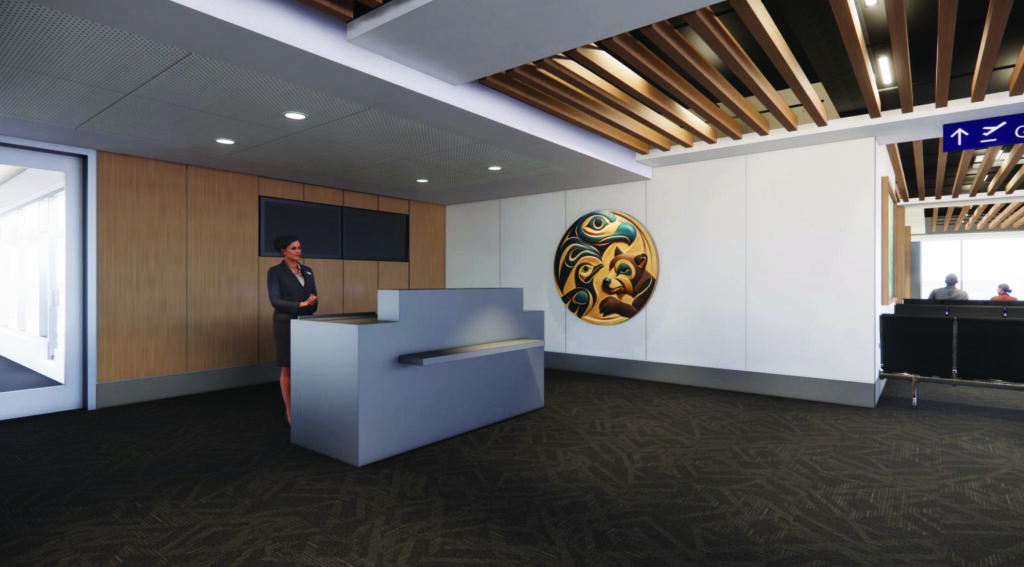
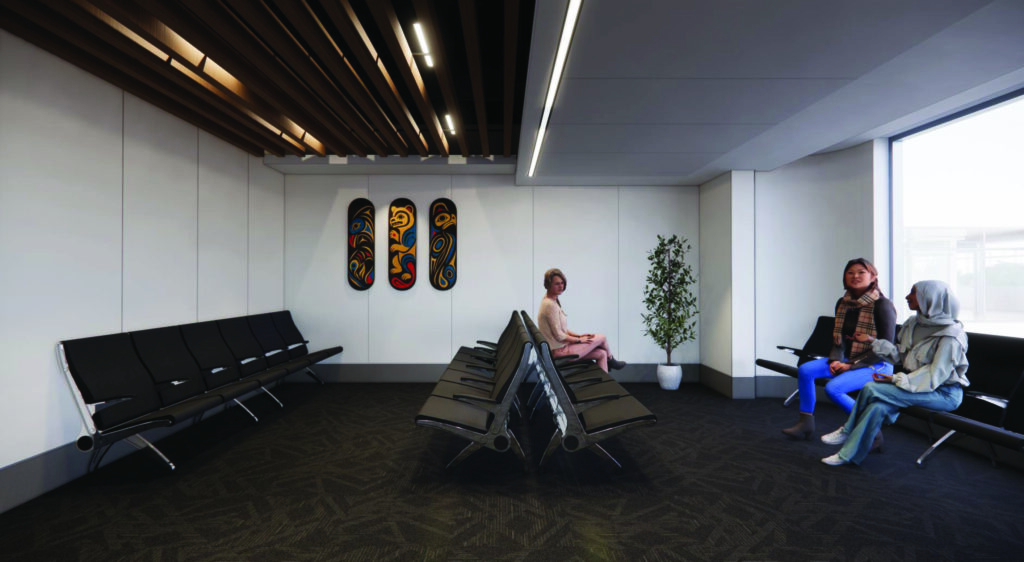
Conceptual renderings of the Upper Holdroom Expansion
By far the most significant capital initiative in 2025 was the planning, design, and early groundwork for the East Upper Holdroom Expansion, with construction scheduled to begin in 2026. The project addresses one of the airport’s most immediate operational pressures: limited space in the upper departure holdrooms serving gates with passenger loading bridges.
As passenger volumes continue to grow and airlines increasingly operate larger jet aircraft, demand for seating and waiting space in these areas has outpaced the terminal’s original design. During peak periods, this has required passengers to wait in other parts of the terminal before boarding.
The expansion will increase holdroom capacity on the east side of the terminal and improve the departures experience. Plans include additional seating, new concession space, and improved passenger flow. To support this work, existing administrative office space within the terminal will be relocated and repurposed for passenger use.This project represents a key step in YYJ’s long-term terminal development, supporting growth while maintaining efficient and reliable operations.
Integrated Project Delivery (IPD)
A New Way to Deliver Major Infrastructure
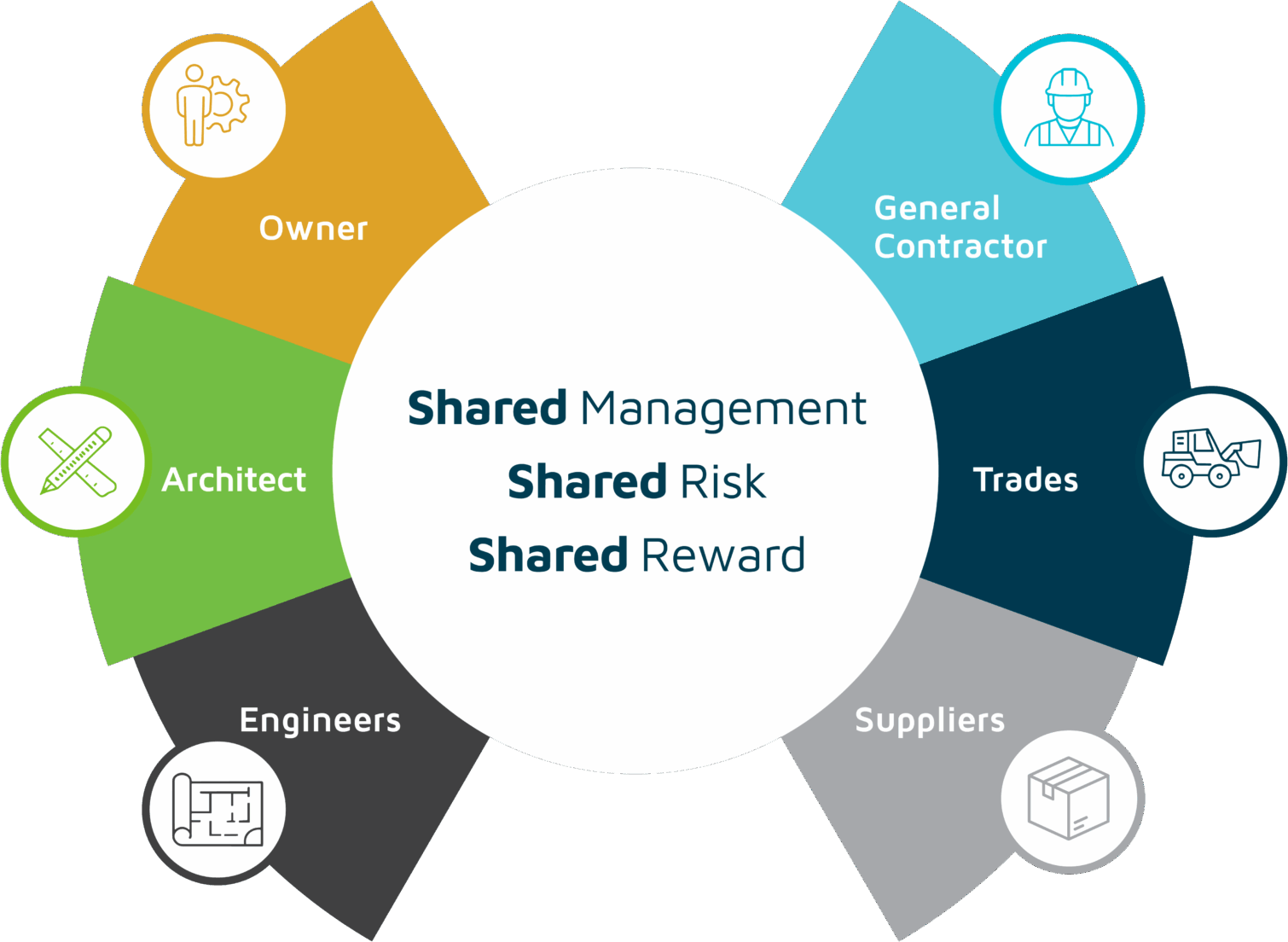
To prepare for the future expansion of the terminal, YYJ is using an Integrated Project Delivery (IPD) model – becoming the first airport in Canada to use this approach for a major terminal project.
Integrated Project Delivery brings key partners, including designers, engineers, builders, and the airport team, together from the very beginning of the project. Instead of working separately, the entire team collaborates to plan, design, and deliver the project as one integrated group, sharing risks and rewards.
By aligning early and working toward shared goals, the team can identify challenges sooner, make informed decisions, and reduce changes during construction.
This approach supports a more collaborative process, improving cost certainty and efficient project delivery for YYJ’s future terminal expansion.
Environmental Stewardship
Environmental responsibility is part of how we operate within our community. At Victoria International Airport, it is closely tied to our role as a connector — linking people, places, and the environment we all share.
In 2025, VAA continued to advance our environmental initiatives, strengthening our approach to climate action while building a culture of stewardship across the organization through the following areas.
Climate Leadership
YYJ was an active participant and financial sponsor in the BC Aviation Council Airports Decarbonization Study, a provincial initiative assisting airports to assess their emissions sources and identify potential reduction pathways across BC airports. YYJ was among 28 airports recognized and received a 2025 BC Aviation Council Environmental Award for this collective participation in province-wide carbon accounting.
YYJ’s Airport Carbon Accreditation Level 2 was renewed, with YYJ completing a full greenhouse gas (GHG) inventory, third-party verification, and submission, meeting international reporting and assurance requirements. A decarbonization assessment and emissions reduction modelling dashboard was finalized, identifying long-term pathways for decarbonization including renewable fuels, fleet electrification, and on-site renewable energy generation potential.
Monitoring and Stewardship
Modernized water quality monitoring equipment became fully operational in 2025 enabling real-time continuous data collection and improving transparency in the oversight of surface water quality.
Looking Ahead
In 2026, VAA will move from planning to action on priority decarbonization initiatives. Updated five-year environmental and sustainability goals, aligned with regional, national and industry frameworks, will be finalized and put into practice. The foundations laid in 2025 will carry forward, shaping the actions of 2026 and the years ahead.
2025 was a year of connection — connecting our staff to the land, embedding environmental data into decision making, linking surrounding community values to shared goals, and YYJ to a broader effort on climate action. As we move forward, that connection will remain central to how we manage risk, plan resilient infrastructure, and care for the ecosystems, people and communities around the airport.”
Allison Waldick,
Environmental Officer
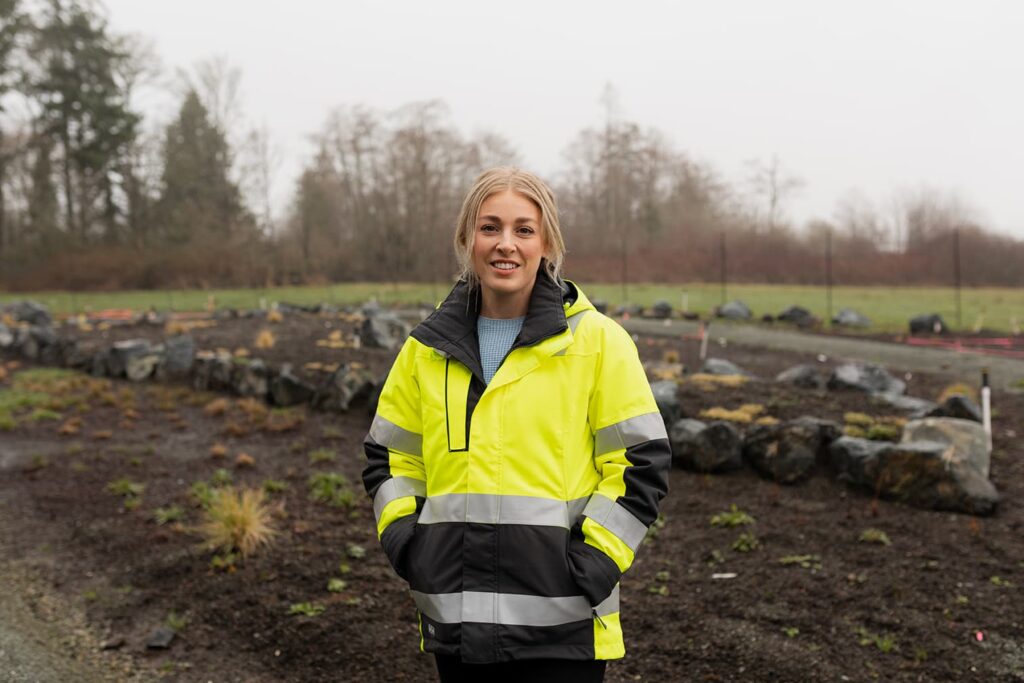
Beekeeping at YYJ
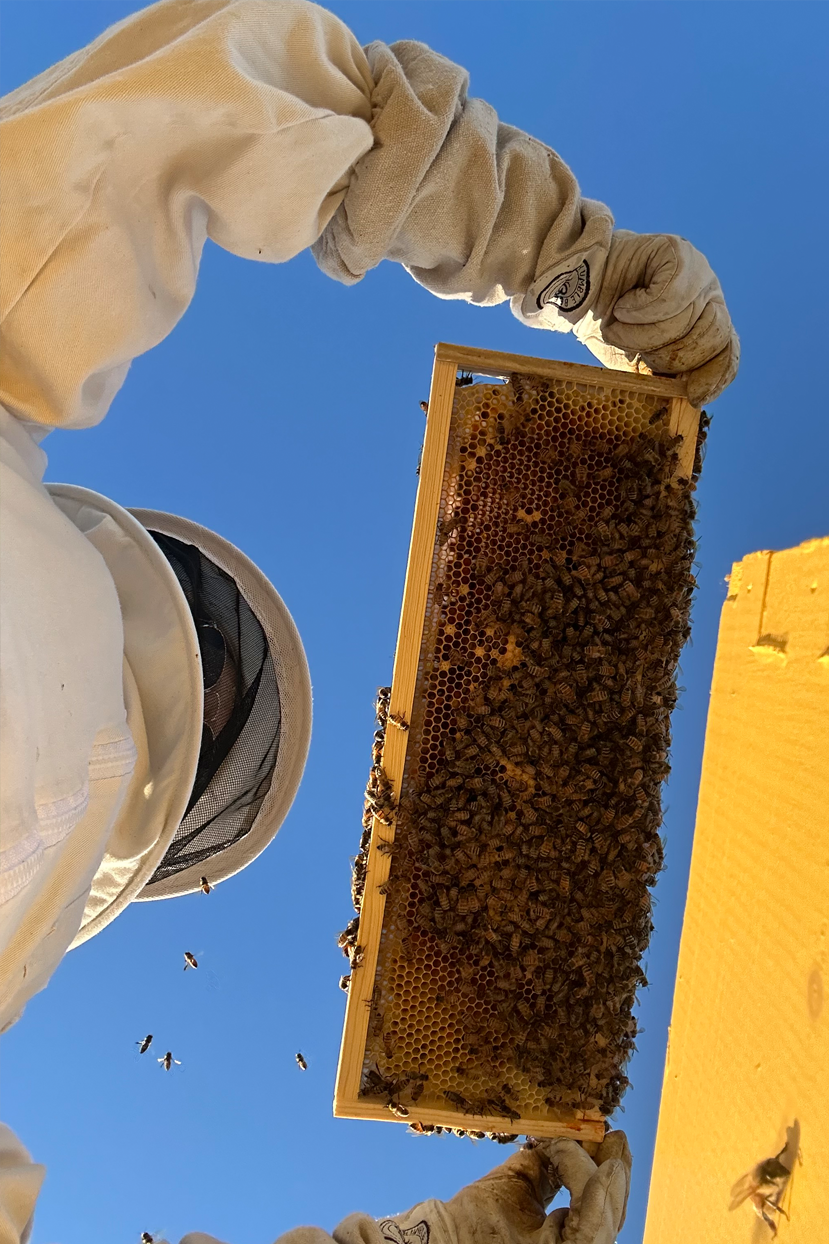
Taylor’s Story: This season marked a milestone I’m especially proud of: launching, stewarding, and completing the first-ever on-site honey harvest at YYJ.
As the airport beekeeper, I led this project from the ground up — sourcing the colony from a local swarm, establishing the hive on airport lands, and managing it throughout the season. From regular inspections and seasonal care to health monitoring and honey production, the hive was fully maintained on site alongside my broader beekeeping work throughout the region.
Education and engagement were central to the project. I had the opportunity to share knowledge with YYJ staff about honeybee behaviour and lifecycle, hive dynamics and seasonal management, the role of pollinators in biodiversity, and how airport lands can meaningfully support ecosystem health.
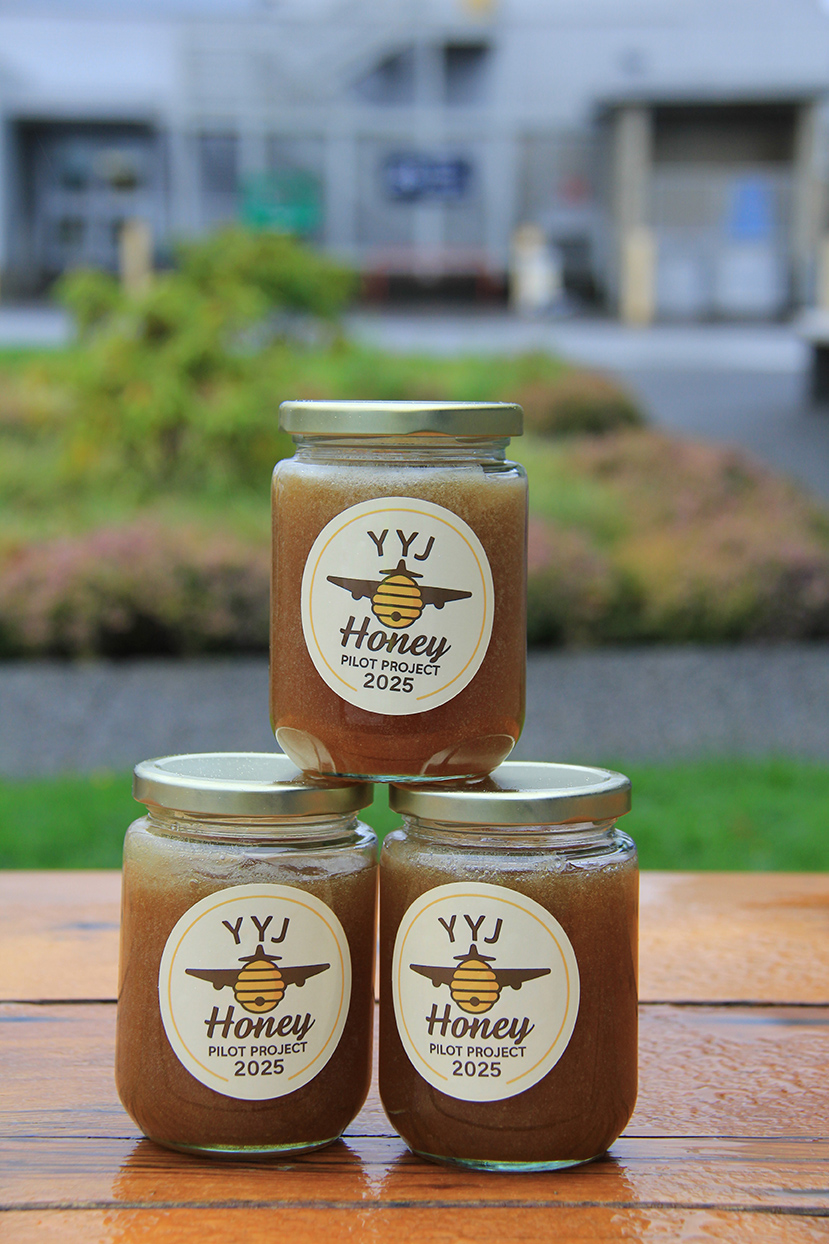
Staff then had the chance to roll up their sleeves and take part in extracting and jarring YYJ’s first honey harvest — turning learning into hands-on experience.
This project demonstrates how even a small initiative can have a meaningful impact: supporting pollinators, building internal awareness, and showing how sustainability can take root in unexpected places, including an airport environment.
Taylor Ball, Environmental Technician
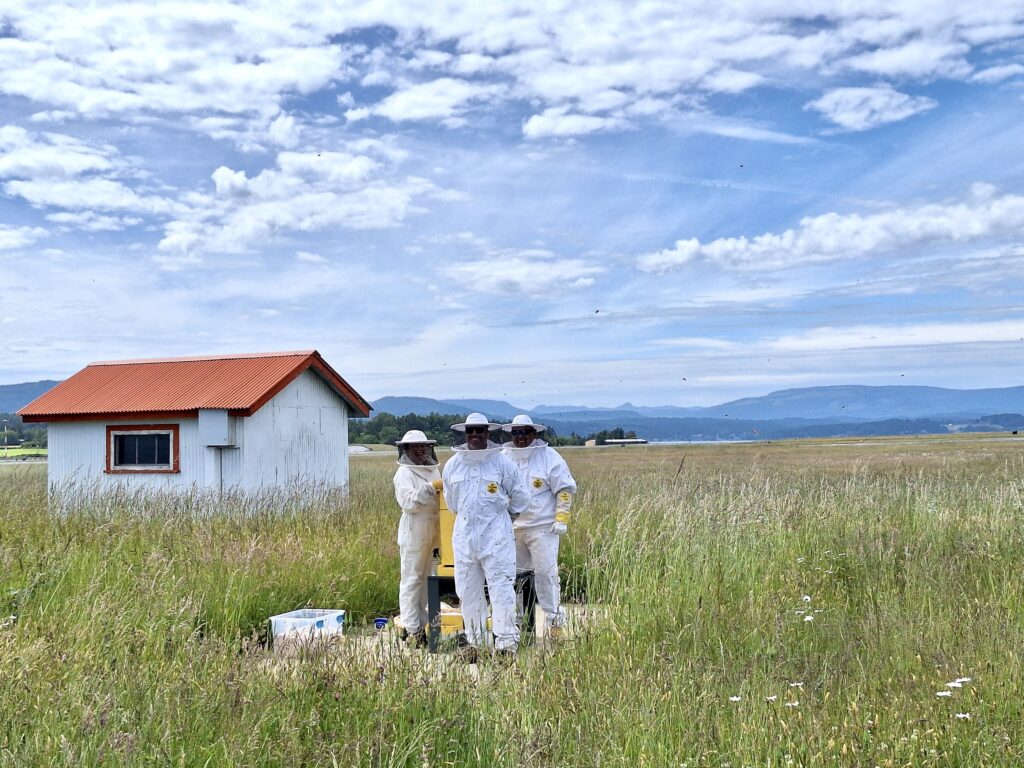
Connecting Community and Nature
Through its partnership with the Greater Victoria Green Team – a chapter of Green Teams of Canada, the Victoria Airport Authority is helping connect people with the natural environment that surrounds YYJ.
In 2025, five hands-on environmental activities were delivered in Dickson Woods, bringing together 141 community members, including local elementary students and participants of all ages and abilities.
Working side by side, participants contributed directly to the health of the forest, removing an estimated 53 cubic metres of invasive plants — equivalent to 3.5 school buses— while gaining a deeper understanding of the local ecosystem.
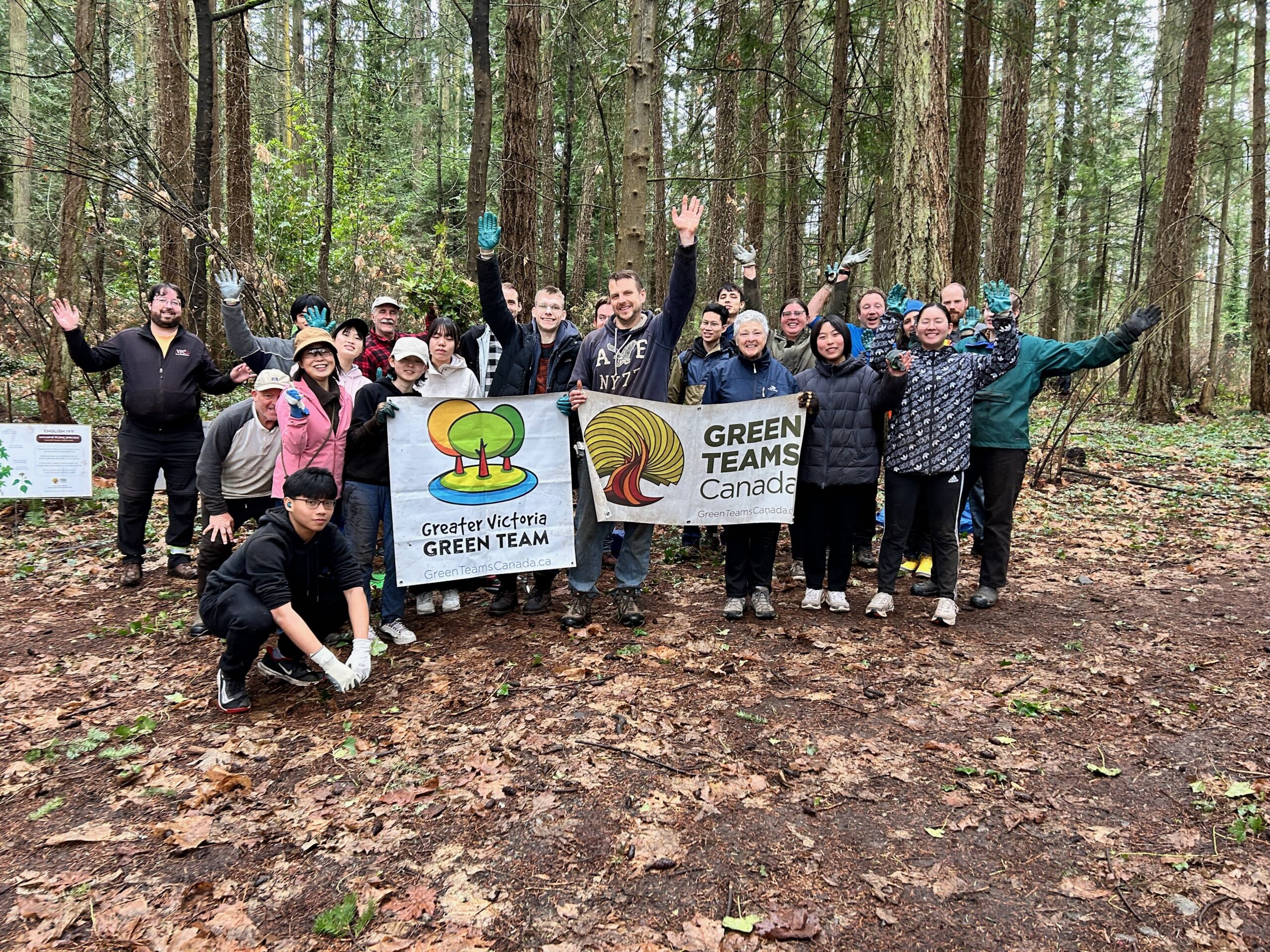
Photo Credit: Green Teams of Canada
Business Plan
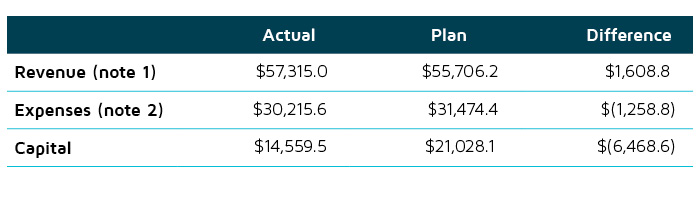
2025 Actual vs. Business Plan
(Shown in Thousands $)
A significant portion of revenue is directly tied to passengers. VAA saw a 6.1% increase in passengers against budget, which led to an increase in revenue.
Expenses were lower than expected due to certain program costs coming in lower than budgeted and the decrease to the AIF handling fee.
Capital project spending was lower than planned due to certain projects being completed under budget, the deferral of select projects, and timeline extensions on certain projects.
Business Plan Forecast 2026 – 2030
Airport revenues are heavily dependent on passenger activity, as such future financial forecasts will fluctuate based on actual passenger levels achieved.
The airport Master Plan has identified significant capital developments over the 20-year planning period. Management continues to review the requirements and phasing of future capital investments within the terminal building and the airport lands. As a result, the total future capital spend could fluctuate significantly depending on the timing and phasing of the capital investments.
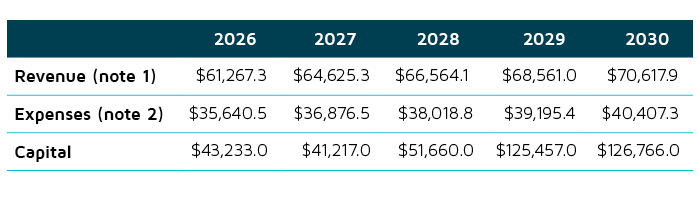
Notes:
- Operations revenue includes all revenues earned from airport operations excluding non-cash items such as deferred capital contributions
- Expense items do not include non-cash items such as amortization
2025 Audited Financial Statements
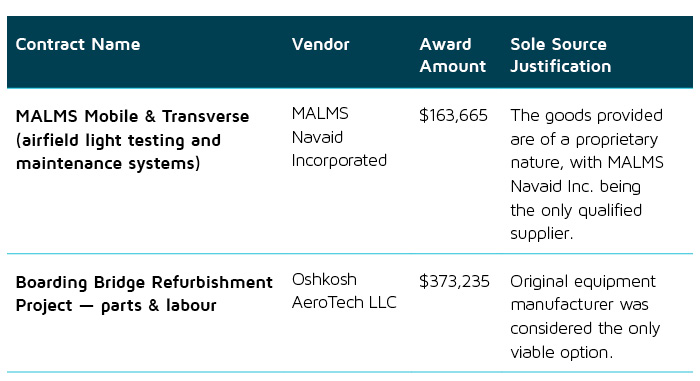
Sole Source Contract Reporting
The Authority’s Ground Lease with Transport Canada requires the Authority to report on contracts in excess of $141,000 (adjusted periodically by Consumer Price Index (CPI) from an original threshold of $75,000) that were not competitively procured. Board policy sets out the parameters for sole-source procurement. In 2025 VAA entered into the following reportable contracts.

Connected to Community
YYJ’s role extends beyond the terminal. As a regional gateway, the airport is part of a broader network of organizations, businesses, and communities working together to support economic activity, tourism, and quality of life across Vancouver Island.
The Victoria Airport Authority contributes to the community through both infrastructure and shared land use. YYJ owns and maintains the Flight Path, a 9.3-kilometre paved walking and cycling trail connecting the airport to surrounding communities. The airport also provides land for community amenities, including Jubilee Park and the Rotary Park Field of Dreams in North Saanich.
This commitment extends to donations to local community benefit organizations, sponsorship of community-focused events, and stewardship of the ‘Lost Airmen of the Empire’ commemorative monument at Hospital Hill, honouring those who served and lost their lives while stationed at or operating from the Patricia Bay Air Station during the Second World War.
In 2025, YYJ continued to strengthen relationships with community partners through collaboration and shared initiatives— from supporting local events to working alongside tourism and business organizations to promote the region.At its core, this work reflects a shared understanding: the success of the airport is closely connected to the success of the community. By working together, YYJ helps support a more connected, resilient, and vibrant region.
75 Doors Campaign
Through its partnership with the Greater Victoria Green Team – a chapter of Green Teams of Canada, the Victoria Airport Authority is helping connect people with the natural environment that surrounds YYJ.
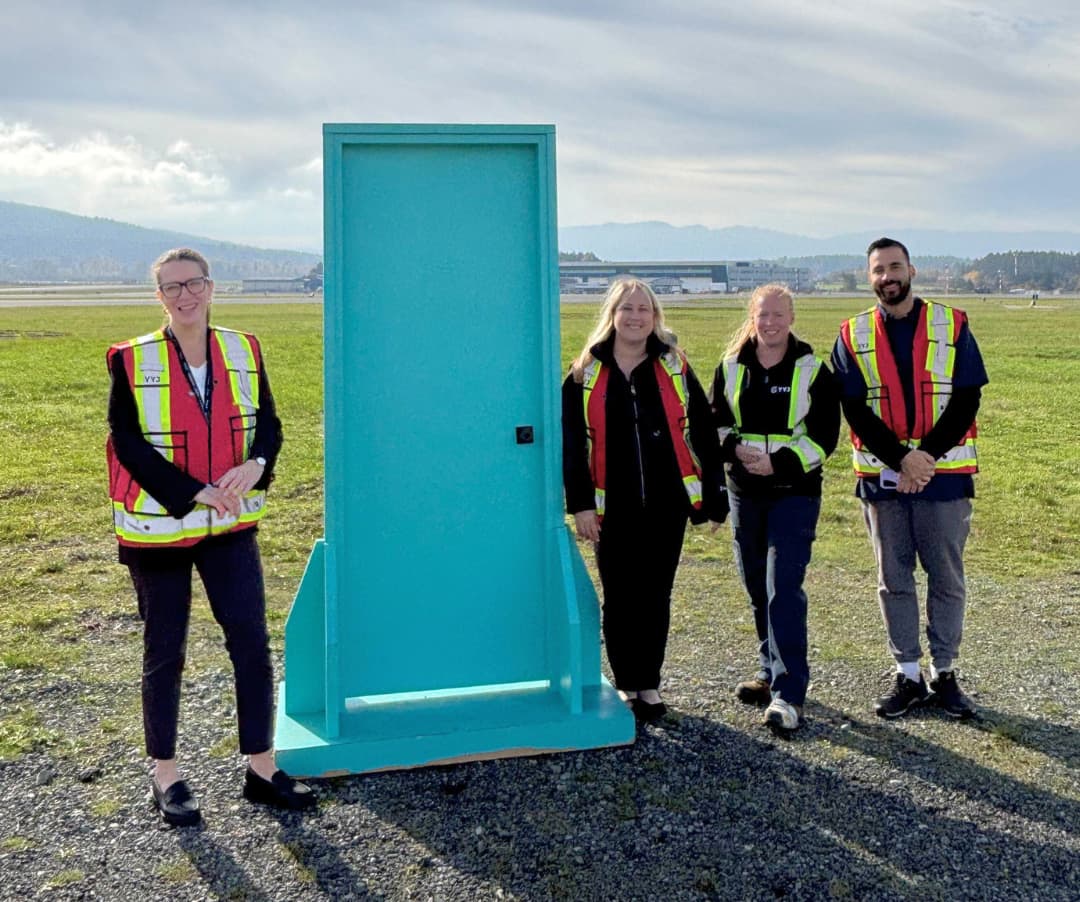
In 2025, YYJ supported Big Brothers Big Sisters of Victoria Capital Region through its 75 Doors campaign, a community initiative focused on expanding access to mentorship for local youth.
Each “door” in the campaign represents a commitment to support one mentoring match, helping connect a young person with a trusted adult and opening the door to new opportunities. Across the region, businesses and organizations came together to help reduce waitlists and ensure more youth could benefit from these relationships.
As part of this effort, YYJ installed a symbolic door on the airfield for the video campaign, a visible reminder that behind every door is a young person whose future can be shaped through connection, support, and guidance.
Connection Through Reconciliation
The BOḰEĆEN (Pauquachin First Nation), W̱JOȽEȽP (Tsartlip First Nation), SȾÁUTW̱ (Tsawout First Nation), and W̱SÍ,ḴEM (Tseycum First Nation) are the W̱SÁNEĆ Nations on whose traditional territory Victoria International Airport operates. This connection to place guides how the Victoria Airport Authority understands its responsibilities, builds relationships, and approaches its role within the community.
In 2025, the Victoria Airport Authority advanced some of the most meaningful reconciliation work in its history.
The Friendship Agreement
After several years of dialogue and relationship-building, VAA reached agreement with four W̱SÁNEĆ Nations on the W̱SÁNEĆ Nations–VAA Friendship Agreement, with a formal signing planned for early 2026.
The agreement establishes a long-term framework for collaboration focused on economic partnership, cultural placemaking, and education and employment opportunities. More than that, it reflects a shared commitment to building a respectful and enduring relationship — one grounded in understanding, shaped through partnership, and focused on the future.
Dedicated Leadership
In August 2025, VAA created and filled a new position: Director of Indigenous Relations. This role supports the organization’s ongoing reconciliation efforts and provides leadership for relationship-building with Indigenous communities.
The Director will support implementation of the Friendship Agreement, development of internal reconciliation policies and procedures, and continued engagement with the W̱SÁNEĆ Nations.
Cultural Placemaking
In 2025, YYJ continued to take meaningful steps to reflect the presence and culture of the W̱SÁNEĆ Nations within the airport environment.
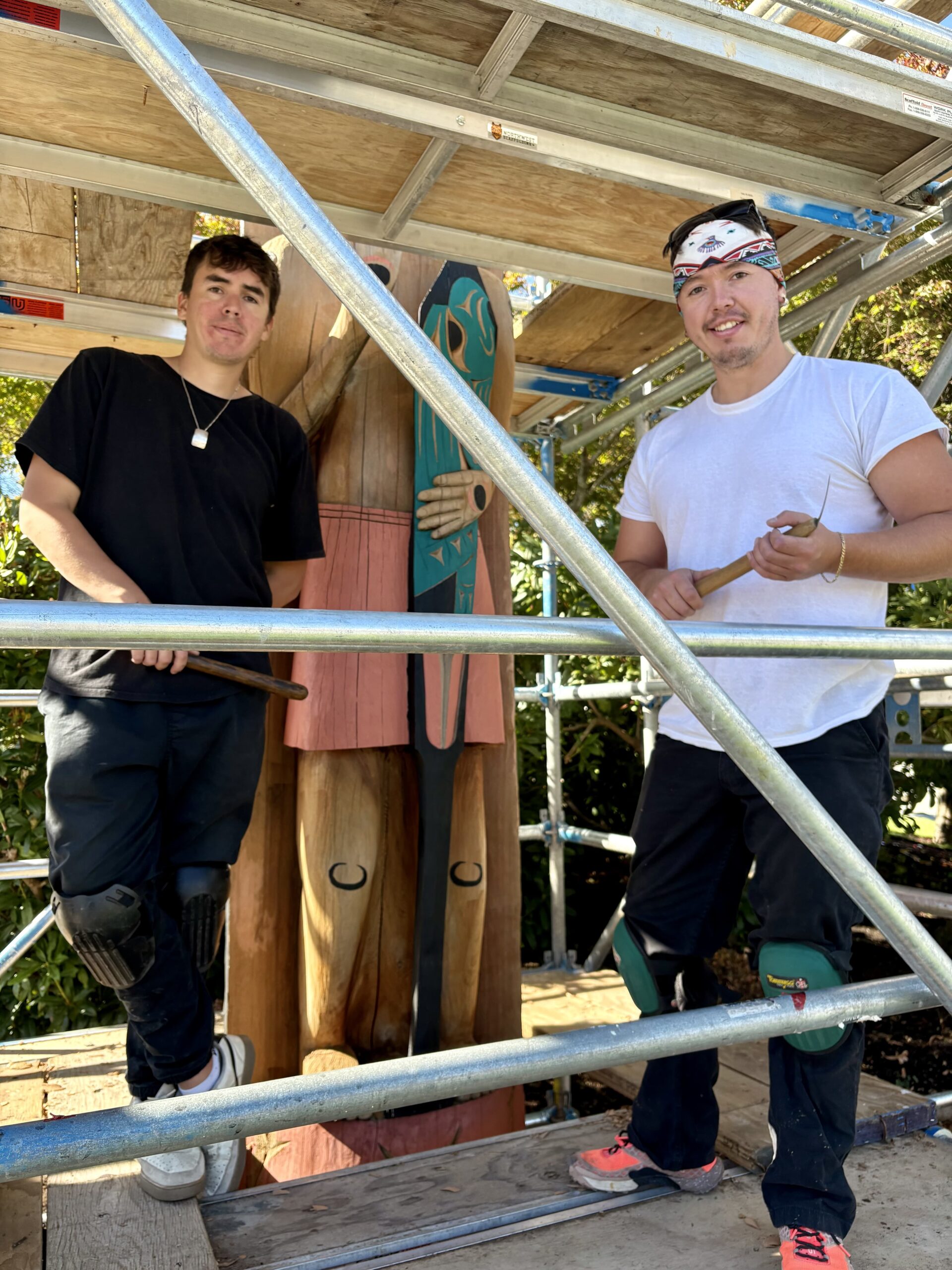
For many travellers, that connection begins on arrival. The Welcome Poles — a defining feature at the entrance to the terminal — were carefully refurbished, strengthening the relationship between the airport and the Elliott family of artists who created them.
Together, these efforts help create a stronger sense of place at YYJ, one that recognizes the history and culture of the W̱SÁNEĆ Nations and ensures that presence is visible and felt by passengers, employees, and visitors alike.
Looking Ahead
With the Friendship Agreement expected to be formally signed in 2026, the work is moving into its next phase, from building the relationship to bringing it to life.
This next chapter will focus on implementation, including establishing governance frameworks, welcoming a First Nations Liaison, and beginning the early planning for a cultural centre at YYJ.
Together, these steps continue to strengthen the relationship between the Victoria Airport Authority and the W̱SÁNEĆ Nations — and reflect an ongoing commitment to reconciliation grounded in action, partnership, and respect.

Welcoming Visitors to W̱SÁNEĆ Territory
For many travellers arriving at Victoria International Airport, the Welcome Poles are one of the first things they see, an immediate connection to the place they are entering. Located at the entrance to the terminal, the poles greet visitors to the traditional territory of the W̱SÁNEĆ Peoples and reflect the cultural history of the region.
In 2025, the poles were carefully restored by W̱SÁNEĆ artist Chazz Elliott, whose father, Coast Salish Master Carver Dr. Charles W. Elliott, created the original carvings. Years of exposure to the coastal climate had weathered the artwork, and the restoration refreshed and protected the poles while honouring their original design.
For the Victoria Airport Authority, the project was about more than maintaining an important cultural landmark. It was an opportunity to strengthen relationships with the W̱SÁNEĆ Nations and ensure the airport continues to reflect the culture and history of the territory on which it operates.
Today, the restored Welcome Poles once again greet travellers arriving at YYJ, offering a meaningful welcome and a visible connection to W̱SÁNEĆ territory.
Governance
The Victoria Airport Authority operates under a federal ground lease with Transport Canada, a relationship that carries significant obligations and oversight.
In 2025, VAA successfully completed Transport Canada’s Ground Lease Monitoring Audit. The audit confirmed that VAA is operating and maintaining Victoria International Airport in full accordance with the requirements of the lease.
The year also saw multiple Transport Canada regulatory inspections related to aviation safety and security. These inspections resulted in zero findings. In a year of record passenger activity and significant infrastructure transitions, that outcome reflects the discipline, professionalism, and operational rigor demonstrated across the organization.
In accordance with public accountability principles for Canadian airport authorities, the Victoria Airport Authority Board of Directors provides oversight to ensure our purposes and objectives are met and that Victoria International Airport operates safely, efficiently, and reliably. As a governance board, all Directors are required to have a high level of expertise in fiscal management and governance best practices to support our long-term success.
Director Code of Conduct
Members of the Board must comply with the Board Policy and Procedures Manual and sign an annual Code of Conduct attestation, acknowledging their understanding and commitment to the policies and bylaw requirements. Each Director also submits an annual disclosure statement to the Corporate Secretary, identifying any real or perceived conflicts of interest. Directors must abstain from discussions or votes where a conflict may arise. In 2025, there were no violations of the Code of Conduct.
Board Attendance
In 2025, the Board of Directors met twenty-four times for committee and board discussions. The Annual General Meeting (AGM) was held to invite feedback from interest holders and members of the public. Board members all participated in several public and private events as airport ambassadors.
Average attendance at Board meetings was 12 directors, while committee meetings averaged six members in attendance.
| Committee Meetings | 97% |
| Board Meetings | 96% |
| Public Meetings | 97% |
Board of Directors

Board Composition
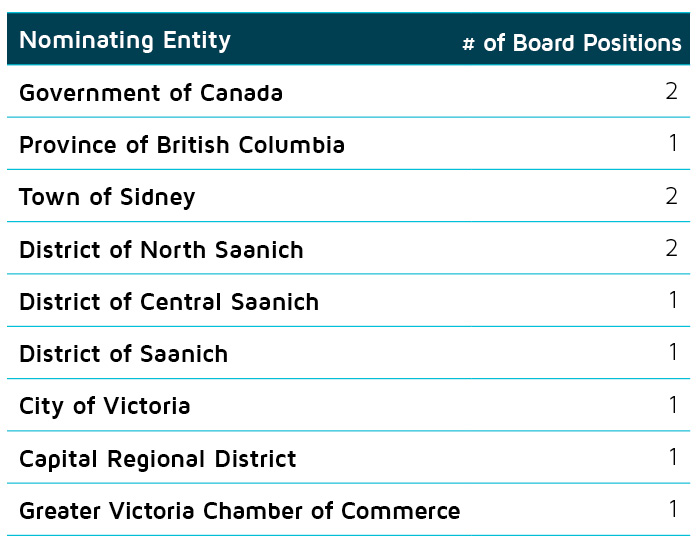
Victoria Airport Authority is governed by a 12-member Board of Directors representing the following nominating entities within the Capital Regional and various levels of government.
Term Limits
VAA may appoint up to three additional directors at the discretion of the Board. Each term is up to three years, and members may be nominated for additional terms. Directors may serve a maximum of three terms, for a total of up to nine years. Once a member has served the maximum term, they are not eligible for re-nomination.
Board of Directors’ and Executives’ Compensation
Compensation of the Victoria Airport Authority Board of Directors is reviewed annually. In 2025, the Officers of the Corporation and Directors were compensated as follows:
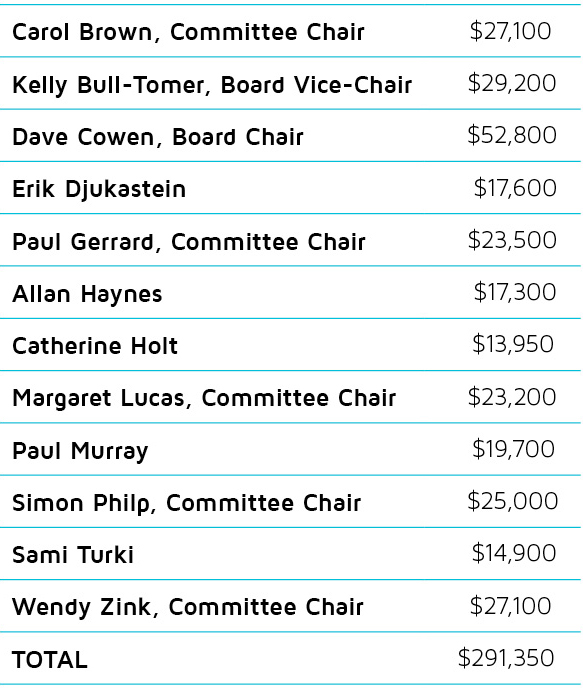
Victoria Airport Authority’s senior management team, consisting of the President and Chief Executive Officer and five senior managers, received $1,290,000 in salary for the year ending December 31, 2025.
Committees
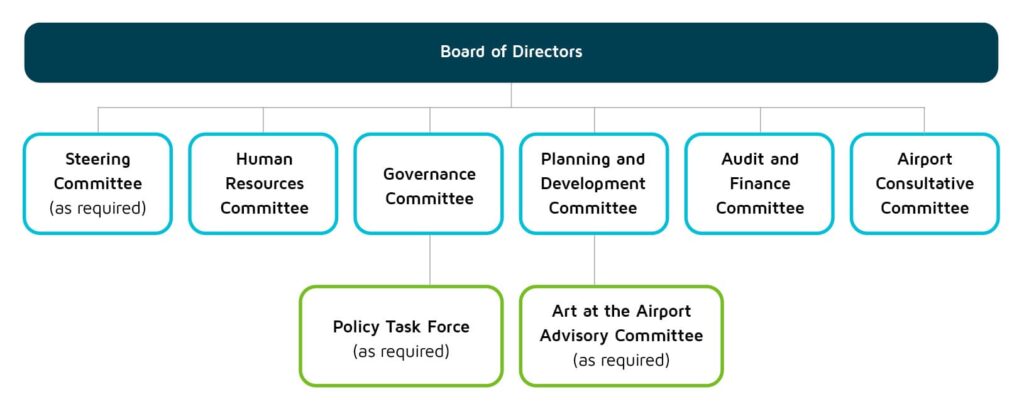
Board Committees
The Board has six standing committees, as well as ad hoc committees, subcommittees, and task forces, as required.
The Journey Ahead
Vancouver Island is a place unlike any other. It draws people here — to its coastlines, forests, communities, and unhurried way of life. And it sends them outward again, for business, family, adventure, and all the reasons people board an airplane.
YYJ is where those journeys begin and end. It is a responsibility we carry with care and one we continue to prepare for.
We operate on the traditional territory of the W̱SÁNEĆ Peoples, whose enduring relationship to the land continues to shape this place. That understanding of connection — to land, to community, and to one another — informs how we plan, grow and work together.
In 2025, YYJ welcomed more passengers than in recent years while continuing to invest in infrastructure to support the next generation of travellers. We strengthened relationships that will extend beyond any single project and continued to support our team, the people behind every arrival and departure.
YYJ is a connector between people and places, between Vancouver Island and the world, and among the communities, partners, and Nations shaping what comes next.
As we look ahead, Victoria Airport Authority’s focus remains clear: to grow responsibly, to strengthen the connections that matter, and to ensure YYJ continues to serve this region for generations to come.
